Table of Contents
Set Up a Cage That Works for Your Bird, Not Against It
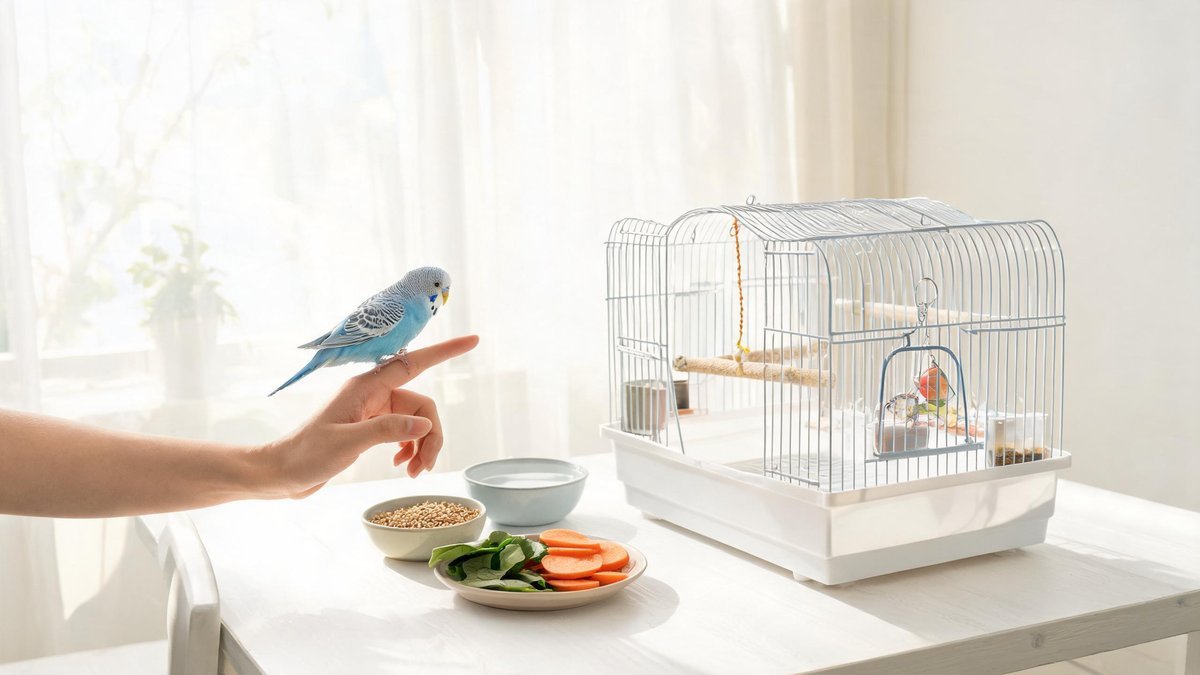
You wouldn't spend your life trapped in a tiny, bare room. Your bird feels the same way. The cage is your bird's main living space, and getting it wrong leads to stress, feather picking, and a raft of health issues. A 2022 survey by the American Pet Products Association found that 68% of first-time bird owners bought a cage too small for their species. Don't let that be you. A budgie needs a minimum of 18 inches wide by 18 inches deep; a cockatiel requires at least 20 by 20 inches. Bigger is always safer. The bar spacing matters just as much: 1/2 inch for small birds, no more than 5/8 inch for mediums like conures. Anything wider and your bird can wedge its head through, risking injury or escape. Place the cage in a spot with natural light but not direct sun all day, and away from kitchen fumes—PTFE and PFOA coatings on non-stick pans release fumes that kill birds in minutes. Arrange perches at different heights with varying diameters to exercise feet. A single dowel rod from the pet store doesn't cut it. Use natural wood branches, rope perches, and a flat platform. Put food and water bowls where droppings won't foul them, and never under a perch. Before you bring your bird home, set everything up and live with it for a day. You'll spot problems you'd otherwise miss.
Feed a Diet That Extends Lifespan, Not Shortens It
A seed-only diet is a slow-motion disaster. Avian vets estimate that birds fed solely seed mixes can have their lifespans cut by 50% or more. That stat isn't exaggerated. Wild parrots eat seeds, yes, but also leaves, fruit, blossoms, bark, and even the occasional insect. Your bird's nutritional needs are just as diverse. Seeds are high in fat and low in calcium, vitamin A, and other critical nutrients. Pelleted diets, which should make up 60-70% of the daily intake, offer a balanced base. Look for brands that are cold-pressed and dye-free. Then add fresh vegetables: dark leafy greens like kale or dandelion, finely chopped carrots, broccoli florets, bell peppers. Fruit can be a treat but keep it to 10% of the diet because of sugar. Avocado, onion, garlic, chocolate, and anything with caffeine are outright toxic. You'll notice birds are neophobic—they fear new foods. It can take 10 to 15 exposures before a budgie or cockatiel tries a single bite of spinach. Don't give up. Hang wet greens from the cage bars to mimic foraging, or mix finely minced veggies into a warm, cooked grain like quinoa. One practical trick: eat a piece of the new food in front of your bird while making pleased sounds. They're flock animals and social cues matter. Once your bird accepts a wider diet, you'll see brighter feather color, more energy, and far fewer emergency vet trips.
Veterinary Insight: The FDA warns that grain-free diets may be linked to canine dilated cardiomyopathy. Always consult your vet before switching your dog to a grain-free formula.
Prioritize Social Time and Mental Engagement Every Single Day
Birds are not ornaments. A lone parrot or parakeet stuck in a cage with zero interaction will develop screaming, plucking, and repetitive behaviors within weeks. Research from the University of California, Davis, shows that single-housed parrots need a minimum of 2-3 hours of out-of-cage, supervised social time per day to remain psychologically healthy. You are the flock now. Set up a bird-safe room—cover windows and mirrors, switch off ceiling fans, put away cords—and let your bird perch on a stand while you read, work, or watch TV. Talk to it. Budgies hold the record for vocabulary among small birds, with some individuals learning over 1,700 words. Your bird won't hit that number overnight, but 15 minutes of direct training a day using positive reinforcement builds a bond and prevents boredom. Rotate toys weekly too. A foraging wheel, shredded paper toys, balsa wood chunks to destroy—these mimic natural behavior. When you can't be there, leave a radio on a classical or talk station; total silence signals danger in the wild and spikes stress hormones. If your schedule doesn't allow 2 hours of daily free time, reconsider whether a larger parrot fits your life. A pair of budgies or finches can keep each other company, though you'll still need to engage with them daily. The takeaway is simple: loneliness kills birds. Your daily presence isn't optional. It's the core of their care.
Learn the Subtle Signs of Illness Before It's Too Late
Birds hide sickness as a survival instinct. In the wild, a visibly ill bird gets picked off by predators. By the time your budgie fluffs up and sits on the cage floor, you might have less than 24 hours to act. Knowing the early signs saves lives. A 2019 study in the Journal of Avian Medicine and Surgery found that 41% of new bird owners missed the initial symptoms of avian gastric yeast infection because they mistook regurgitation for affection. Here's what to watch: any change in droppings lasting more than a day. A healthy bird produces dark green fecal matter with white urates and clear liquid urine. Bubbly or yellow-green urates, undigested seeds, or a foul smell mean a vet visit, now. Check the keel bone—the bony ridge running down the breast. If it feels sharp and prominent, your bird has lost weight. A 10% loss of body weight in a small bird, say 3 grams on a 30-gram budgie, is life-threatening. Monitor weight with a small gram scale every week. Other red flags: tail bobbing with every breath, discharge above the nostrils, prolonged molts that reveal patchy skin, and a change in vocalization. Quiet birds aren't necessarily calm; they're often ill. Find an avian-certified vet before you need one. Keep their number on your fridge. The practical takeaway: if you think something is off, trust your gut. Waiting a day with a bird is like waiting a week with a dog.
Handle Grooming and Nail Care Calmly and Correctly
Grooming doesn't need to be a wrestling match that ends in broken trust. Wing clipping is a personal choice, but if you do it, never clip more than the first 5-7 primary flight feathers on each wing, and do both wings symmetrically. A one-sided clip makes a bird spiral and crash. Better yet, let an avian vet or experienced groomer show you the first time. A blood feather—a new, growing pin feather with a dark purple shaft—will bleed heavily if cut. Have styptic powder on hand and know how to apply pressure for a full 10 minutes. Nail care causes the most anxiety. Perches with a textured, abrasive surface (like a concrete perch) help naturally file tips, but you'll still need to trim every 6-8 weeks. Use a small animal nail clipper or human nail file; you're aiming to take off the sharp hook, not the whole nail. If you accidentally cut the quick and it bleeds, don't panic. Apply styptic powder and keep the bird in a quiet, dim space until it clots. Bathing is easier. Most small birds love a shallow dish of lukewarm water or a gentle mist from a spray bottle a few times a week. It keeps skin and feathers in condition and reduces dust. Never use soap. The best time? Late morning, so your bird can dry fully before the evening temperature drops. Grooming done right becomes a bonding ritual. Rushed or forced, it's a dealbreaker for trust. Go slow. Reward with millet. You'll both end up calmer for it.
Choosing the right products for your pet can feel overwhelming given the sheer volume of options on the market. When evaluating any pet product, safety certifications and independent testing should guide your decision. Look for brands that employ veterinary nutritionists on staff, conduct feeding trials, and publish their quality control standards. For collars, harnesses, and carriers, fit is paramount. Reading verified customer reviews and consulting your veterinarian before major purchases helps you invest wisely in products that genuinely benefit your pet's health and happiness.
Bringing a new pet home is an exciting milestone, but the first few weeks set the foundation for your entire relationship. Create a quiet, safe space where your pet can decompress before exploring the rest of your home. Dogs benefit from a consistent daily schedule for meals, walks, and potty breaks. Cats appreciate vertical space like cat trees or shelves where they can observe from a safe height. Introduce family members gradually and let your pet set the pace for interactions. Patience during this adjustment period pays enormous dividends in the trust and bond you will build over the coming years.
Regular veterinary checkups form the backbone of preventive pet care. Most adult dogs and cats benefit from an annual wellness exam, while seniors and animals with chronic conditions may need visits every six months. During these appointments, your veterinarian can catch emerging health issues before they become serious, update vaccinations, and perform routine bloodwork that reveals early signs of kidney disease, diabetes, or thyroid disorders. Many pet owners skip these visits when their animal appears healthy, but preventive care is ultimately more affordable and less stressful than emergency treatment.
Knowing when to seek veterinary attention can save your pet's life. Sudden changes in appetite, water intake, or energy levels warrant a call to your vet. Vomiting or diarrhea lasting more than 24 hours, unexplained weight loss, difficulty breathing, and persistent limping are all red flags that should not be ignored. Likewise, if your pet is hiding more than usual, showing aggression when touched, or refusing to use the litter box or go outside, these behavioral shifts often signal underlying discomfort. Trust your instincts -- you know your pet's normal better than anyone.
Proper nutrition goes far beyond simply filling a bowl twice a day. Every life stage brings different dietary requirements. Growing puppies and kittens need controlled calcium and phosphorus ratios for healthy bone development. Adult pets thrive on maintenance formulas that match their activity level. Senior animals often benefit from increased protein to preserve muscle mass and added joint supplements like glucosamine and chondroitin. The quality of ingredients matters significantly -- named animal proteins should appear first on the ingredient list, and artificial preservatives, colors, and by-products are best avoided altogether.