Table of Contents
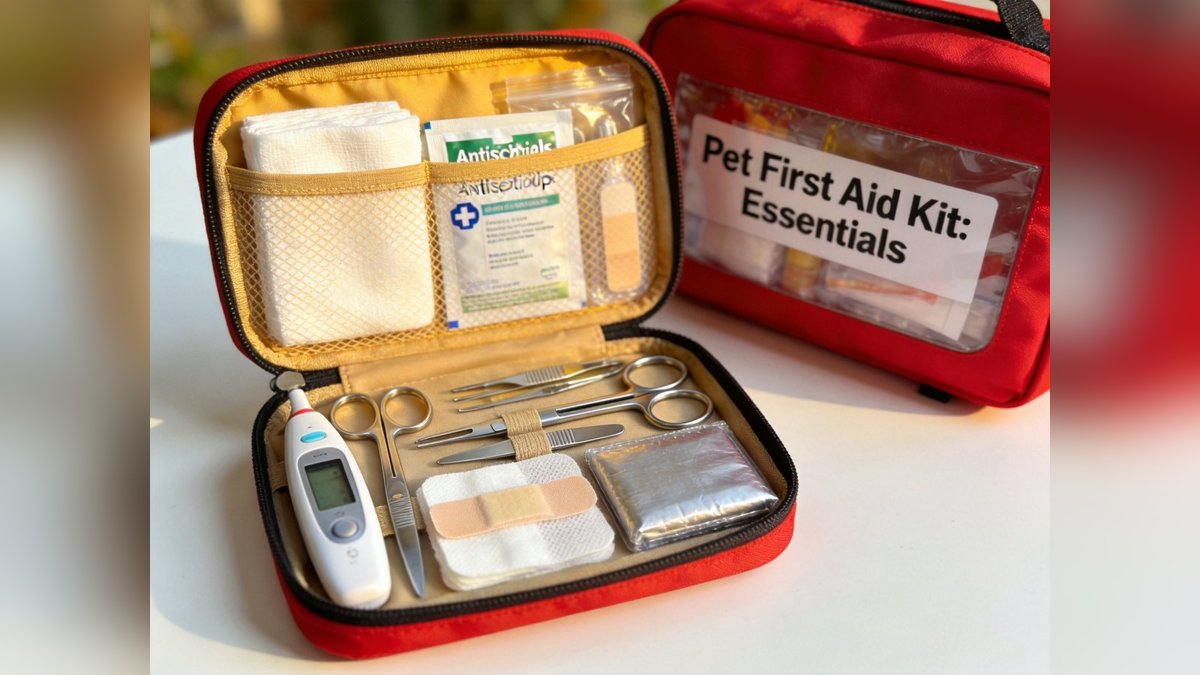
- Pet First Aid Kit: Essentials Every Owner Needs
- Why a Pet First Aid Kit Matters More Than You Think
- Wound Care Essentials: Stop Bleeding, Prevent Infection
- Essential Tools That Let You Assess Your Pet Quickly
- Safe Medications to Store (and Know Exactly When to Use)
- Customize Your Kit for Your Pet’s Size, Breed, and Lifestyle
Pet First Aid Kit: Essentials Every Owner Needs
An accident can happen while you’re on a walk, cooking dinner, or simply playing in the backyard. One moment your dog is fine, and the next she’s limping with a torn pad or swallowing something she shouldn’t. When those seconds tick by, having the right supplies within arm’s reach makes all the difference. You don’t need a paramedic’s background—just a carefully stocked kit and the willingness to prepare. This guide walks you through exactly what belongs in a pet first aid kit and how to use each item before you face a real crisis.
Why a Pet First Aid Kit Matters More Than You Think
You might assume your vet is just a quick drive away, but emergencies rarely wait for business hours. According to a 2022 survey by the American Pet Products Association, 1 in 3 pet owners report that their animal experienced a medical emergency in the past year. When your cat gashes her paw on a broken glass or your dog starts choking on a toy, the window for effective help is tiny. Driving to the clinic with nothing but a towel isn’t enough.
A pre-assembled kit turns panic into purposeful action. The core value isn’t just the contents—it’s the peace of mind that you’ve already thought through the scary moments. You’ll stop bleeding faster, stabilize a fracture, or flush a toxin before it’s absorbed. Every minute you shave off the response time reduces complications and can lower the final vet bill. Takeaway: Build your kit now, during a calm Sunday afternoon, so you’re not scrambling at 2 a.m. when every second counts.
Wound Care Essentials: Stop Bleeding, Prevent Infection
A deep scrape or torn nail can produce alarming amounts of blood. Immediate pressure cuts the flow dramatically—veterinary trauma studies show that applying firm, direct pressure to a bleeding wound can reduce blood loss by up to 50% within the first few minutes. Your kit needs non-stick sterile pads, rolled gauze, and self-adhering vet wrap. Don’t use cotton balls that leave fibers in the wound.
Veterinary Insight: According to the ASPCA, 6.5 million companion animals enter US shelters each year. Adopting from a shelter costs 70% less than buying from a breeder.
Once bleeding is under control, flush the area with a sterile saline solution to wash away debris. A small bottle of chlorhexidine solution diluted to 0.05% provides a safe, non-stinging antiseptic for dogs and cats. Add styptic powder for quick clotting on cracked nails—it’s far faster than flour. Keep a pair of blunt-tip scissors and a disposable razor to clear fur around the injury. The takeaway: practice bandaging a paw on your relaxed pet today. If you wait until she’s hurt and scared, the struggle will be ten times harder. Mastering a simple three-layer bandage—contact layer, absorbent layer, outer wrap—turns a chaotic moment into a controlled response.
Essential Tools That Let You Assess Your Pet Quickly
Good decisions depend on accurate information. A digital pet thermometer gives you a window into your companion’s internal state. A dog’s normal temperature sits between 101°F and 102.5°F; anything above 103°F is a fever that demands a vet call. A 2020 study in the Journal of Veterinary Emergency and Critical Care found that owners who checked their dog’s temperature at home reported symptoms to the veterinarian 30% earlier, leading to faster interventions.
Your kit should include a tick removal tool—a simple notched plastic spoon works better than tweezers and reduces the risk of leaving mouthparts behind. Slip a nylon muzzle into the pouch, too. Even the gentlest dog can snap when in severe pain, and a quick muzzle protects both of you while you tend a wound. Add a slip lead for safe restraint and transport. Throw in a small flashlight or headlamp; you can’t evaluate an injury accurately in dim light. The practical step: today, gently practice taking your pet’s temperature with petroleum jelly for lubrication. Reward lavishly. That way, the thermometer won’t be a scary stranger during a real emergency.
Safe Medications to Store (and Know Exactly When to Use)
Having a few medications on hand can save a life, but using them without guidance can make things far worse. The ASPCA Animal Poison Control Center handles over 200,000 toxicity cases every year. Many involve well-meaning owners who gave human drugs or incorrectly induced vomiting. Don’t become one of those statistics.
Keep fresh 3% hydrogen peroxide in your kit. It’s used to induce vomiting in dogs, but only when a veterinarian explicitly tells you to—certain substances like sharp objects or caustic cleaners can cause more damage on the way back up. Never induce vomiting in cats this way. Add a bottle of sterile artificial tears eye wash for flushing debris or mild irritants from the eyes. A small container of activated charcoal can bind some poisons, but again, dosage and timing are critical and must come from a poison control expert. Tuck in a tube of water-based lubricant for easy thermometer insertion. Include a printed card with the ASPCA Poison Control number (888-426-4435) and your regular vet’s after-hours phone number. The takeaway: store the hydrogen peroxide in a dark, cool spot and replace it every six months because it loses potency. Program those emergency numbers into your phone right now.
Customize Your Kit for Your Pet’s Size, Breed, and Lifestyle
No two pets face the same risks. A brachycephalic breed like a Bulldog or Persian cat is three times more likely to overheat, and studies show that 65% of heatstroke cases in dogs happen during everyday walks—not heroic mountain hikes. If your dog has a pushed-in face, pack a cooling towel, a collapsible water bowl, and a rectal thermometer to monitor for heat stress. If you own a diabetic cat, slip a sealed packet of honey or Karo syrup alongside the insulin so you can rapidly treat hypoglycemia.
For small dogs and cats, scale down the gauze and vet wrap to smaller sizes so you’re not wrestling with bulky material. If you hike or camp with your dog, add a paw pad bandage kit and a lightweight splint. Keep a spare slip lead in the glove box of your car for roadside emergencies. Check the kit every three months. Swap out expired saline and hydrogen peroxide, and replace any bandage supplies that have lost their sterile packaging. The takeaway: tailor the contents like you’d tailor a hiking backpack. A Chihuahua’s adventure kit looks very different from a Labrador’s, and owning the right gear for your specific companion means you’ll actually use it when stress hits.
Every pet owner should have a basic understanding of first aid and a well-stocked emergency kit. Essential items include sterile gauze pads, adhesive tape, antiseptic wipes, a digital thermometer, tweezers for splinters or ticks, and your veterinarian's after-hours contact information. Learn how to check your pet's vital signs and practice restraint techniques for transporting an injured animal safely to the clinic. Knowing what to do in those critical first minutes can make a tremendous difference in your pet's recovery outcome.
Bringing a new pet home is an exciting milestone, but the first few weeks set the foundation for your entire relationship. Create a quiet, safe space where your pet can decompress before exploring the rest of your home. Dogs benefit from a consistent daily schedule for meals, walks, and potty breaks. Cats appreciate vertical space like cat trees or shelves where they can observe from a safe height. Introduce family members gradually and let your pet set the pace for interactions. Patience during this adjustment period pays enormous dividends in the trust and bond you will build over the coming years.
Regular veterinary checkups form the backbone of preventive pet care. Most adult dogs and cats benefit from an annual wellness exam, while seniors and animals with chronic conditions may need visits every six months. During these appointments, your veterinarian can catch emerging health issues before they become serious, update vaccinations, and perform routine bloodwork that reveals early signs of kidney disease, diabetes, or thyroid disorders. Many pet owners skip these visits when their animal appears healthy, but preventive care is ultimately more affordable and less stressful than emergency treatment.
Knowing when to seek veterinary attention can save your pet's life. Sudden changes in appetite, water intake, or energy levels warrant a call to your vet. Vomiting or diarrhea lasting more than 24 hours, unexplained weight loss, difficulty breathing, and persistent limping are all red flags that should not be ignored. Likewise, if your pet is hiding more than usual, showing aggression when touched, or refusing to use the litter box or go outside, these behavioral shifts often signal underlying discomfort. Trust your instincts -- you know your pet's normal better than anyone.
Proper nutrition goes far beyond simply filling a bowl twice a day. Every life stage brings different dietary requirements. Growing puppies and kittens need controlled calcium and phosphorus ratios for healthy bone development. Adult pets thrive on maintenance formulas that match their activity level. Senior animals often benefit from increased protein to preserve muscle mass and added joint supplements like glucosamine and chondroitin. The quality of ingredients matters significantly -- named animal proteins should appear first on the ingredient list, and artificial preservatives, colors, and by-products are best avoided altogether.
Dental health is one of the most overlooked aspects of pet care, yet dental disease affects over 80 percent of dogs and cats by age three. Without regular care, plaque hardens into tartar, leading to inflamed gums, tooth loss, and bacteria that can enter the bloodstream and damage the heart, liver, and kidneys. Daily brushing with pet-safe toothpaste is the gold standard, but dental chews, water additives, and specially formulated diets can also help reduce buildup. Annual professional cleanings under anesthesia remain essential for removing tartar below the gum line where brushing cannot reach.
Physical activity is as vital for pets as it is for people, influencing not just weight management but also mental health and behavior. Dogs generally need 30 to 60 minutes of purposeful exercise daily, adjusted for breed, age, and health status. Cats benefit from interactive play sessions that mimic hunting behaviors. Inadequate exercise is a leading cause of obesity, which now affects over 50 percent of domestic pets and contributes to arthritis, diabetes, and reduced lifespan. A tired pet is a happy, well-behaved pet.