Table of Contents
Introduction to Guinea Pig Nutrition
Guinea pigs, also known as cavies, have unique dietary requirements that are essential for their health and longevity. Unlike many other small pets, guinea pigs cannot produce their own vitamin C, making it crucial to provide a diet rich in this essential nutrient. A balanced diet for a guinea pig consists primarily of high-quality hay, fortified pellets, and a variety of fresh fruits and vegetables. However, not all produce is safe for guinea pigs, and some can cause serious health issues. In this guide, we will explore which fruits and vegetables are safe to feed, how much to give, and which foods to avoid.
Understanding Guinea Pig Digestive Anatomy
Guinea pigs are hindgut fermenters with a specialized digestive system designed for continuous intake of fibrous plant material. Their gastrointestinal tract moves food through via constant grazing rather than scheduled meals. A guinea pig that stops eating for even 12-24 hours can develop gastrointestinal stasis, a potentially fatal condition where the gut slows or stops entirely. This is why hay must always be available — it keeps the digestive system moving. Guinea pigs also practice coprophagy, consuming special soft fecal pellets called cecotropes directly from the anus to recover B vitamins and amino acids produced by fermentation in the cecum. This is normal, essential behavior and should never be discouraged.
Why Fresh Produce is Important
Fresh fruits and vegetables provide guinea pigs with essential vitamins, minerals, and fiber. The most critical nutrient is vitamin C, as guinea pigs are prone to scurvy if they lack it. Symptoms of vitamin C deficiency include lethargy, rough coat, swollen joints, and bleeding gums. Offering a variety of safe produce ensures your guinea pig gets a balanced intake of nutrients while also providing enrichment and hydration.
“Guinea pigs require 10-30 mg of vitamin C per day, and since they cannot synthesize it, their diet must include vitamin C-rich vegetables like bell peppers and kale.” – Small Animal Nutritionist
Safe Vegetables for Guinea Pigs
Leafy Greens
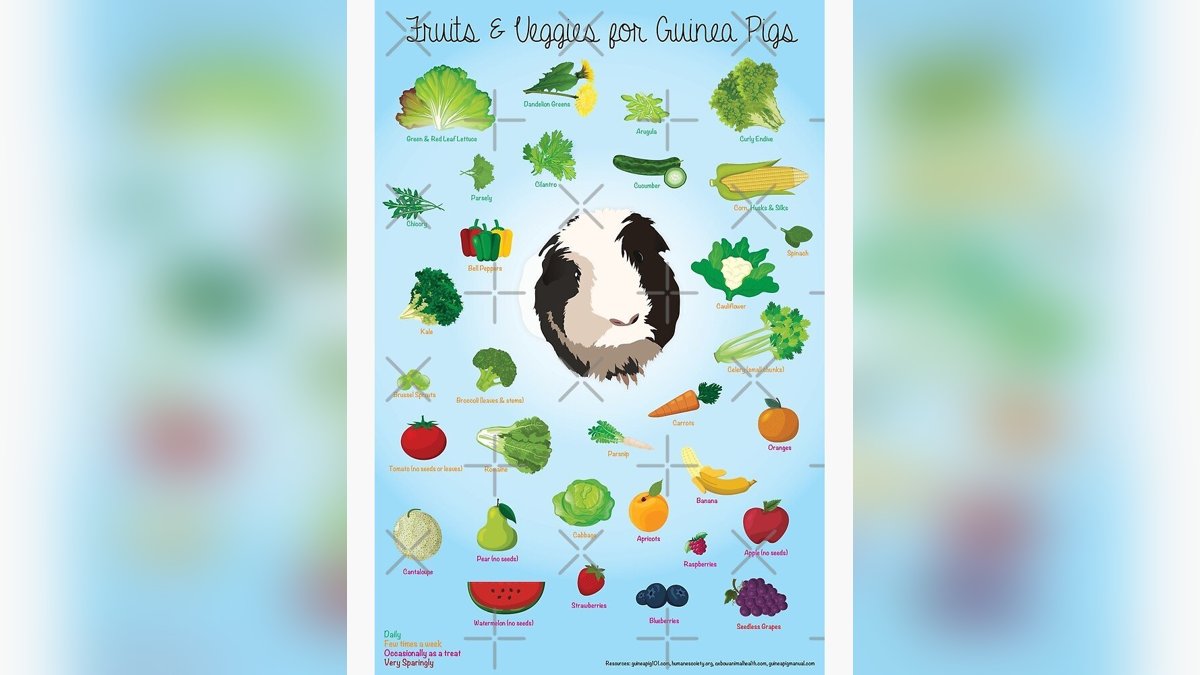
Leafy greens should make up the bulk of the vegetable portion in your guinea pig's diet. They are low in sugar and high in fiber. Examples include romaine lettuce, red leaf lettuce, green leaf lettuce, kale, and spinach. Avoid iceberg lettuce as it offers little nutritional value and can cause diarrhea due to high water content. Introduce leafy greens gradually and aim for about a cup per guinea pig per day, divided into two servings.
Bell Peppers
Bell peppers are an excellent source of vitamin C. Feed about one to two slices of red, yellow, or orange bell pepper per day. Green bell peppers have less vitamin C than their colored counterparts, so opt for the sweeter varieties when possible. Remove the seeds and stem before feeding.
Carrots
Carrots are high in sugar and should be given in moderation. A few small carrot slices two to three times per week are enough. Carrots are also high in vitamin A, which supports vision and immune health. The green tops of carrots are also safe and can be offered as a treat.
Other Vegetables
Other safe vegetables include cucumber (high in water, great for hydration), zucchini, celery (cut into small pieces to prevent choking), and cilantro. Offer these in small amounts to add variety. Starchy vegetables like potatoes and corn are not recommended due to their high starch content.
Safe Fruits for Guinea Pigs
Fruits are high in natural sugars and should be treated as occasional treats, not dietary staples. Offer fruit no more than two to three times per week, in portions of about one to two tablespoons per serving. Overfeeding fruit can lead to obesity, digestive upset, and dental problems.
Safe Fruits List
Safe fruits include apple (without seeds), pear, blueberries, strawberries, raspberries, cantaloupe, and orange (in moderation due to acidity). Always remove any seeds, pits, or stems, as these can be toxic. Kiwi and mango are also safe but should be given sparingly due to high sugar.
Fruits to Avoid
Avoid feeding guinea pigs grapes (high sugar, potential toxicity), cherries (pits are toxic), and any dried fruits (concentrated sugar). Also avoid fruit from the citrus family in large quantities as it can cause mouth sores.
Foods to Never Feed Guinea Pigs
Some foods are toxic to guinea pigs and should never be offered. These include chocolate, caffeine, dairy products, nuts, seeds, onions, garlic, potatoes (raw or cooked), rhubarb, and avocado. Also avoid any processed foods designed for humans. Always research a new food before feeding it to your pet.
How to Introduce New Foods
When introducing a new fruit or vegetable, offer a small amount and wait 24 hours to observe for any adverse reactions such as diarrhea or loss of appetite. If your guinea pig tolerates it well, you can gradually increase the portion. Always wash produce thoroughly to remove pesticides and cut items into manageable sizes to prevent choking. A food diary helps track which items your guinea pig prefers and which cause soft stools. Guinea pigs develop strong preferences early in life, so exposing young cavies to a wide variety of safe vegetables helps prevent picky eating habits in adulthood. If a food is rejected on first offering, try again a week later — it sometimes takes multiple exposures for a guinea pig to accept a new taste.
Sample Daily Diet Plan
Here is a sample diet for a healthy adult guinea pig: unlimited grass hay (timothy or orchard), 1/8 cup of fortified guinea pig pellets, and 1 cup of fresh vegetables divided into two servings. For example, morning serving: two slices of bell pepper and a handful of romaine lettuce; evening serving: a few sprigs of cilantro and a slice of cucumber. As a treat, offer a small piece of fruit two times per week.
Conclusion
Feeding a balanced diet of safe fruits and vegetables is essential to your guinea pig's health. By focusing on vitamin C-rich vegetables and limiting sugary fruits, you can help your pet thrive. Always prioritize hay and pellets as the foundation of the diet, and use produce as a supplement. If you are ever unsure about a particular food, consult your veterinarian for guidance.
Proper nutrition goes far beyond simply filling a bowl twice a day. Every life stage brings different dietary requirements. Growing puppies and kittens need controlled calcium and phosphorus ratios for healthy bone development. Adult pets thrive on maintenance formulas that match their activity level. Senior animals often benefit from increased protein to preserve muscle mass and added joint supplements like glucosamine and chondroitin. The quality of ingredients matters significantly -- named animal proteins should appear first on the ingredient list, and artificial preservatives, colors, and by-products are best avoided altogether.
Regular veterinary checkups form the backbone of preventive pet care. Most adult dogs and cats benefit from an annual wellness exam, while seniors and animals with chronic conditions may need visits every six months. During these appointments, your veterinarian can catch emerging health issues before they become serious, update vaccinations, and perform routine bloodwork that reveals early signs of kidney disease, diabetes, or thyroid disorders. Many pet owners skip these visits when their animal appears healthy, but preventive care is ultimately more affordable and less stressful than emergency treatment.
Knowing when to seek veterinary attention can save your pet's life. Sudden changes in appetite, water intake, or energy levels warrant a call to your vet. Vomiting or diarrhea lasting more than 24 hours, unexplained weight loss, difficulty breathing, and persistent limping are all red flags that should not be ignored. Likewise, if your pet is hiding more than usual, showing aggression when touched, or refusing to use the litter box or go outside, these behavioral shifts often signal underlying discomfort. Trust your instincts -- you know your pet's normal better than anyone.
Dental health is one of the most overlooked aspects of pet care, yet dental disease affects over 80 percent of dogs and cats by age three. Without regular care, plaque hardens into tartar, leading to inflamed gums, tooth loss, and bacteria that can enter the bloodstream and damage the heart, liver, and kidneys. Daily brushing with pet-safe toothpaste is the gold standard, but dental chews, water additives, and specially formulated diets can also help reduce buildup. Annual professional cleanings under anesthesia remain essential for removing tartar below the gum line where brushing cannot reach.
Physical activity is as vital for pets as it is for people, influencing not just weight management but also mental health and behavior. Dogs generally need 30 to 60 minutes of purposeful exercise daily, adjusted for breed, age, and health status. Cats benefit from interactive play sessions that mimic hunting behaviors. Inadequate exercise is a leading cause of obesity, which now affects over 50 percent of domestic pets and contributes to arthritis, diabetes, and reduced lifespan. A tired pet is a happy, well-behaved pet.
Mental stimulation is just as important as physical exercise for your pet's overall well-being. Boredom in pets often manifests as destructive behaviors such as chewing furniture, excessive barking, or scratching carpets. Puzzle toys, treat-dispensing balls, and hide-and-seek games engage your pet's natural problem-solving instincts. Rotating toys every few days prevents habituation and keeps novelty alive. For cats, window perches and cat trees provide valuable environmental enrichment. For dogs, nose work games and basic trick training strengthen your bond while tiring them mentally in ways a simple walk cannot match.
Regular grooming is about far more than keeping your pet looking good. Brushing removes loose fur and distributes natural skin oils, preventing mats that can pull painfully on the skin and trap moisture that leads to bacterial infections. Long-haired breeds may need daily brushing to prevent tangles. Nail trims prevent overgrowth that can alter gait and lead to joint pain over time. Ear cleaning helps prevent infections, particularly in floppy-eared breeds. Routine coat care gives you an opportunity to inspect for lumps, bumps, parasites, or skin abnormalities that might otherwise go unnoticed until they become serious health concerns.
Bringing a new pet home is an exciting milestone, but the first few weeks set the foundation for your entire relationship. Create a quiet, safe space where your pet can decompress before exploring the rest of your home. Dogs benefit from a consistent daily schedule for meals, walks, and potty breaks. Cats appreciate vertical space like cat trees or shelves where they can observe from a safe height. Introduce family members gradually and let your pet set the pace for interactions. Patience during this adjustment period pays enormous dividends in the trust and bond you will build over the coming years.