Table of Contents
Introduction
A bearded dragon's nutritional needs change dramatically from hatchling to adulthood. Feeding the wrong ratio of insects to plants--or offering inappropriate items--can lead to metabolic bone disease, obesity, or stunted growth. This guide provides a research-backed food list for each life stage, along with supplement schedules and foods to avoid. All recommendations are based on current herpetological guidelines from the Association of Reptilian and Amphibian Veterinarians.
Baby Bearded Dragons (0-4 Months)
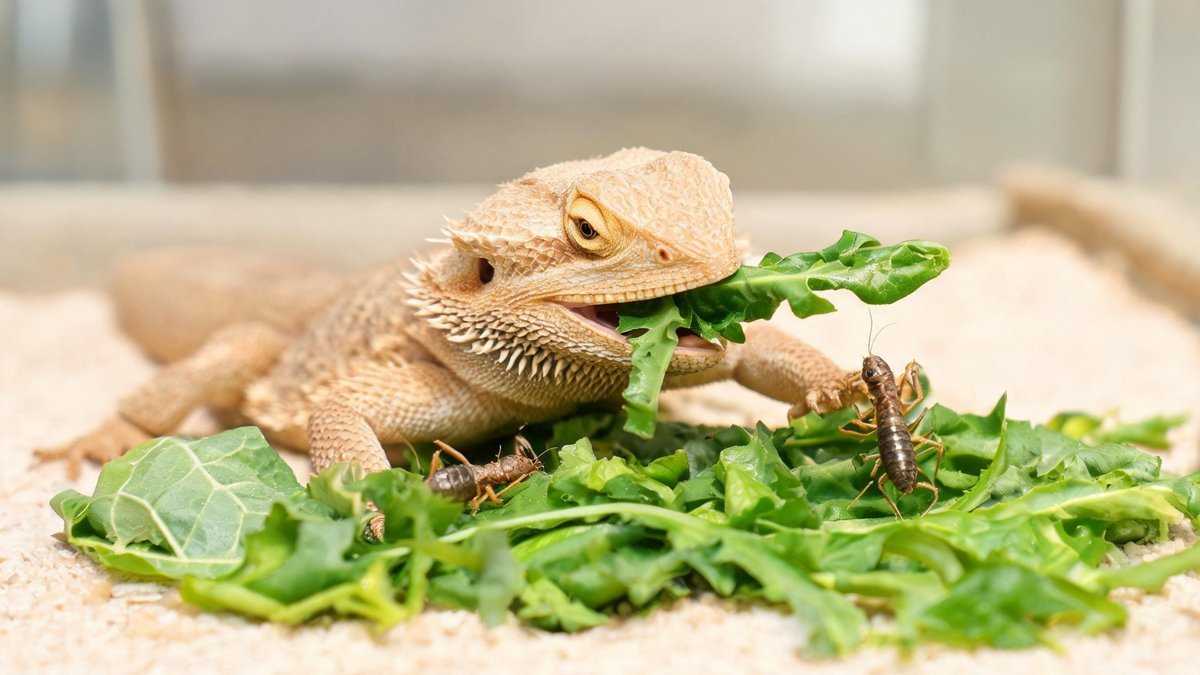
Baby bearded dragons grow rapidly and require high protein to support bone and muscle development. The diet should consist of approximately 80% live insects and 20% finely chopped leafy greens. Offer insects that are no larger than the space between your bearded dragon's eyes to prevent impaction.
Safe Insects for Babies
- Crickets (gut-loaded and dusted with calcium)
- Dubia roaches (excellent calcium-to-phosphorus ratio)
- Black soldier fly larvae (high calcium, low fat)
- Small silkworms (nutrient-rich treat)
Avoid mealworms for babies--they have a hard exoskeleton and low nutritional value. Feed babies 15-25 small insects twice daily. Remove any uneaten insects after 10 minutes to prevent injury.
Vegetables for Babies
- Collard greens (staple)
- Mustard greens
- Endive
- Butternut squash (finely grated)
Chop greens into pieces smaller than the eye. Offer fresh greens daily and remove leftovers after 4 hours to avoid spoilage.
Key Stat: A 2023 study in the Journal of Herpetological Medicine found that bearded dragons fed a calcium-to-phosphorus ratio of 2:1 had 40% fewer instances of metabolic bone disease compared to those on a 1:1 ratio.
Juvenile Bearded Dragons (4-12 Months)
Juveniles are still growing but at a slower pace. Transition to a ratio of 60% insects, 40% vegetables. Offer larger insects like medium dubia roaches, superworms (sparingly), and hornworms. Reduce feeding frequency to once or twice a day, with 10-15 insects per feeding.
Expanded Vegetable List
- Turnip greens
- Dandelion greens (pesticide-free)
- Yellow squash
- Bell peppers (thinly sliced)
- Green beans (steamed, chopped)
Juveniles can begin enjoying small amounts of fruit once or twice per week: blueberries, raspberries, or small pieces of papaya. Avoid citrus fruits due to high acidity.
Adult Bearded Dragons (12+ Months)
Adult bearded dragons are primarily herbivorous--80% vegetables and 20% insects. Overfeeding protein can cause kidney strain and obesity. Offer insects only 2-3 times per week, with 5-10 insects per feeding.
Preferred Vegetables for Adults
- Collard greens (daily staple)
- Escarole
- Arugula (not too much--moderate oxalates)
- Butternut squash (cooked, cubed)
- Shredded carrots
Adults also benefit from occasional fruit: a few slices of strawberry or a grape quartered. Avoid banana and mango except as rare treats due to sugar content.
Gut-Loading: The Hidden Key to Insect Nutrition
The nutritional value of feeder insects depends entirely on what those insects ate before being fed to your dragon. Crickets and roaches purchased from pet stores are often starved and dehydrated, offering minimal nutrition. Gut-load feeder insects for 24-48 hours before feeding them to your dragon by providing fresh vegetables like collard greens, carrots, and sweet potatoes. Commercial gut-loading formulas also work well. Avoid using water gel crystals alone — insects need solid food for maximum nutrient transfer. The calcium-to-phosphorus ratio of the insect itself shifts based on what it ate, so consistent gut-loading directly impacts your dragon's bone health. Never use insects caught in the wild, as they may carry parasites or have been exposed to pesticides.
Hydration: more than a Water Bowl
Bearded dragons originate from arid regions and rarely recognize standing water as a drinking source. Dehydration is common in captive dragons and contributes to kidney disease and gout. Offer water by misting your dragon's snout with a spray bottle each morning, allowing droplets to roll toward the mouth. Provide regular warm soaks twice per week in shallow water (80-85°F, no deeper than the dragon's shoulders) for 15-20 minutes — they absorb water through the vent during soaking. Fresh greens also contribute significant moisture. Signs of dehydration include wrinkled skin that does not snap back when gently pinched, sunken eyes, and thick, pasty urates. If these appear, increase soaking frequency and consult your vet.
Foods to Avoid at All Life Stages
- Avocado (persin is toxic)
- Rhubarb (high oxalates)
- Spinach (bind calcium in the gut)
- Iceberg lettuce (no nutritional value)
- Fireflies (toxic)
- Wild-caught insects (pesticide risk)
- Beetles with hard shells (impaction risk)
Essential Supplementation
Calcium and vitamin D3 are critical for bone health. Use a calcium powder with D3 for babies and juveniles at every insect feeding. Adults need calcium without D3 at most feedings, and with D3 twice per week. A multivitamin powder should be used once a week for all ages.
Research from the Journal of Zoo and Wildlife Medicine indicates that dusting insects just before feeding preserves nutrient content; pre-dusted insects lose potency within a few minutes.
Sample Feeding Schedule
Baby (0-4 months)
- Morning: 15-20 small crickets dusted with calcium + D3
- Afternoon: fresh chopped collard greens
- Evening: 15-20 small dubia roaches dusted with multivitamin (once weekly)
Juvenile (4-12 months)
- Morning: 10-15 medium insects with calcium + D3
- Evening: salad of greens and squash
Adult (12+ months)
- Daily: large salad of collard greens, squash, and bell pepper
- Monday/Wednesday/Friday: 5-8 insects with calcium (no D3)
- Once weekly: multivitamin dusting on salad
Consistency is key. Bearded dragons thrive on routine. Adjust portion sizes based on body condition score: a visible fat pad above the eyes indicates healthy weight; bony hips suggest underfeeding. Monitor growth weekly for juveniles and monthly for adults using a digital scale. A dragon that maintains steady weight, produces well-formed urates, and basks actively after meals is receiving the nutrition it needs. Small adjustments — increasing greens or reducing fatty insects — can correct weight issues before they become health problems that require veterinary intervention.
By following this life stage food list and supplement protocol, you can support your bearded dragon's growth, longevity, and vitality.
Lighting completes the nutrition picture. A quality UVB tube (T5 10.0 or equivalent) spanning two-thirds of the enclosure length enables vitamin D3 synthesis, which allows calcium absorption. Without adequate UVB, even a perfectly supplemented diet cannot prevent metabolic bone disease. Replace UVB bulbs every 6-12 months as output degrades over time even if the bulb still glows visibly.
Proper nutrition goes far beyond simply filling a bowl twice a day. Every life stage brings different dietary requirements. Growing puppies and kittens need controlled calcium and phosphorus ratios for healthy bone development. Adult pets thrive on maintenance formulas that match their activity level. Senior animals often benefit from increased protein to preserve muscle mass and added joint supplements like glucosamine and chondroitin. The quality of ingredients matters significantly -- named animal proteins should appear first on the ingredient list, and artificial preservatives, colors, and by-products are best avoided altogether.
Regular veterinary checkups form the backbone of preventive pet care. Most adult dogs and cats benefit from an annual wellness exam, while seniors and animals with chronic conditions may need visits every six months. During these appointments, your veterinarian can catch emerging health issues before they become serious, update vaccinations, and perform routine bloodwork that reveals early signs of kidney disease, diabetes, or thyroid disorders. Many pet owners skip these visits when their animal appears healthy, but preventive care is ultimately more affordable and less stressful than emergency treatment.
Knowing when to seek veterinary attention can save your pet's life. Sudden changes in appetite, water intake, or energy levels warrant a call to your vet. Vomiting or diarrhea lasting more than 24 hours, unexplained weight loss, difficulty breathing, and persistent limping are all red flags that should not be ignored. Likewise, if your pet is hiding more than usual, showing aggression when touched, or refusing to use the litter box or go outside, these behavioral shifts often signal underlying discomfort. Trust your instincts -- you know your pet's normal better than anyone.
Dental health is one of the most overlooked aspects of pet care, yet dental disease affects over 80 percent of dogs and cats by age three. Without regular care, plaque hardens into tartar, leading to inflamed gums, tooth loss, and bacteria that can enter the bloodstream and damage the heart, liver, and kidneys. Daily brushing with pet-safe toothpaste is the gold standard, but dental chews, water additives, and specially formulated diets can also help reduce buildup. Annual professional cleanings under anesthesia remain essential for removing tartar below the gum line where brushing cannot reach.
Physical activity is as vital for pets as it is for people, influencing not just weight management but also mental health and behavior. Dogs generally need 30 to 60 minutes of purposeful exercise daily, adjusted for breed, age, and health status. Cats benefit from interactive play sessions that mimic hunting behaviors. Inadequate exercise is a leading cause of obesity, which now affects over 50 percent of domestic pets and contributes to arthritis, diabetes, and reduced lifespan. A tired pet is a happy, well-behaved pet.
Mental stimulation is just as important as physical exercise for your pet's overall well-being. Boredom in pets often manifests as destructive behaviors such as chewing furniture, excessive barking, or scratching carpets. Puzzle toys, treat-dispensing balls, and hide-and-seek games engage your pet's natural problem-solving instincts. Rotating toys every few days prevents habituation and keeps novelty alive. For cats, window perches and cat trees provide valuable environmental enrichment. For dogs, nose work games and basic trick training strengthen your bond while tiring them mentally in ways a simple walk cannot match.
Regular grooming is about far more than keeping your pet looking good. Brushing removes loose fur and distributes natural skin oils, preventing mats that can pull painfully on the skin and trap moisture that leads to bacterial infections. Long-haired breeds may need daily brushing to prevent tangles. Nail trims prevent overgrowth that can alter gait and lead to joint pain over time. Ear cleaning helps prevent infections, particularly in floppy-eared breeds. Routine coat care gives you an opportunity to inspect for lumps, bumps, parasites, or skin abnormalities that might otherwise go unnoticed until they become serious health concerns.
Bringing a new pet home is an exciting milestone, but the first few weeks set the foundation for your entire relationship. Create a quiet, safe space where your pet can decompress before exploring the rest of your home. Dogs benefit from a consistent daily schedule for meals, walks, and potty breaks. Cats appreciate vertical space like cat trees or shelves where they can observe from a safe height. Introduce family members gradually and let your pet set the pace for interactions. Patience during this adjustment period pays enormous dividends in the trust and bond you will build over the coming years.