Table of Contents
Why Proper Tank Setup Matters
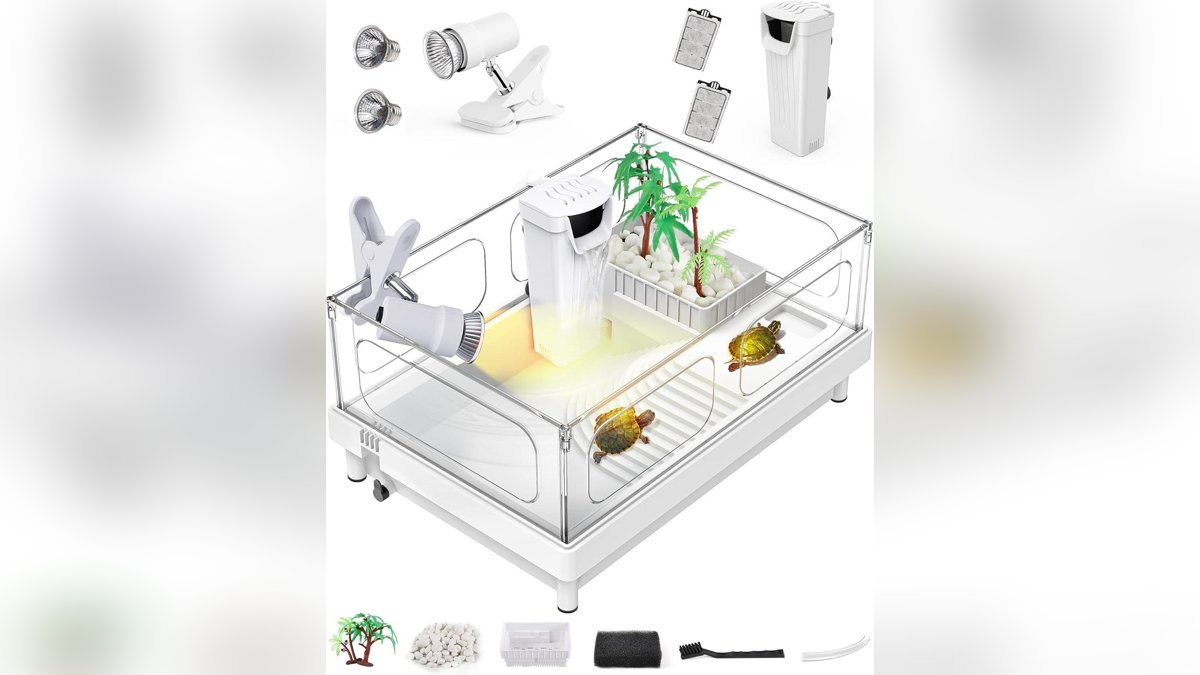
Setting up a turtle tank is more than filling a glass box and adding a reptile. Aquatic turtles like red-eared sliders, painted turtles, and map turtles spend most of their lives in water but require a carefully balanced environment to thrive. A well-planned turtle tank setup includes three critical components: UVB lighting for vitamin D synthesis, a robust filtration system to maintain water quality, and a dry basking area where turtles can thermoregulate and dry off completely. Without these elements, turtles commonly develop shell rot, metabolic bone disease, respiratory infections, and other preventable conditions.
According to the Association of Reptilian and Amphibian Veterinarians, over 80% of captive reptile health issues stem from improper lighting or water quality. A correct turtle tank setup eliminates the most common husbandry errors.
UVB Lighting: The Non-Negotiable Component
UVB light is essential for turtles to synthesize vitamin D3, which allows them to metabolize calcium. Without adequate UVB, turtles develop metabolic bone disease (MBD), a painful and often fatal condition characterized by soft shell, limb deformities, and lethargy.
Choosing the Right UVB Bulb
For most aquatic turtle tanks, a linear fluorescent UVB tube (T5 or T8) is preferred over compact coil bulbs because it distributes UVB more evenly across the basking area. The standard recommendation is a UVB output of 5-10% (e.g., ReptiSun 5.0 or 10.0). For tanks with water depth greater than 12 inches, use a 10.0 bulb to compensate for UVB absorption by water. Mercury vapor bulbs that combine UVB and heat can work for larger enclosures but must be positioned carefully to prevent burns.
Placement and Distance
The UVB bulb should be positioned 6-10 inches above the basking platform, and must not pass through glass or plastic (these materials block UVB). Place the bulb over only one section of the tank so the turtle can move away if needed. Replace UVB bulbs every 6-12 months even if they still emit visible light, because UVB output degrades over time. Use a UVB meter (Solarmeter 6.5) to verify output annually.
Photoperiod
Provide 10-12 hours of UVB and visible light per day, using a timer for consistency. Turtles need a distinct day/night cycle; darkness at night is essential for sleep and immune function.
Filtration: Keeping Water Clean
Turtles are messy eaters and produce considerable waste, so a powerful filter is vital. Poor water quality leads to eye infections, shell rot, and skin problems. The general rule: select a filter rated for at least two to three times the tank's water volume. For example, a 75-gallon turtle tank needs a filter rated for 150-225 gallons.
Types of Filters
- Canister Filters - Gold standard for turtle tanks. They offer high flow rates, large media capacity, and are sealed to prevent leaks. Top brands: Fluval FX series, Penn Plax Cascade, Eheim Classic. Look for flow rates of 300-500 gallons per hour (GPH) for a 75-gallon tank.
- Sponge Filters - Useful as secondary biological filtration in smaller tanks (20-40 gallons). They are gentle and safe for hatchlings, but cannot handle heavy bioload alone.
- Internal Power Filters - Suitable for tanks under 30 gallons but require frequent maintenance and are not recommended for larger setups.
Maintenance Schedule
Clean filter media every 2-4 weeks using dechlorinated water (never tap water, which kills beneficial bacteria). Replace carbon monthly if used. Perform 25-50% water changes weekly, depending on tank size and turtle size. Vacuum the substrate (if any) to remove waste. A well-maintained filter coupled with regular changes keeps ammonia and nitrite levels at zero parts per million.
Heaters and Water Temperature
Install a submersible aquarium heater to maintain water temperature between 72-78°F for most aquatic turtles (species-specific variations exist). Use a separate thermometer to verify. Heaters should be protected with a guard to prevent turtles from burning themselves.
Basking Area: Essential for Thermoregulation
Turtles are ectothermic and must leave the water to warm their bodies and dry their shells. A proper basking area encourages normal behavior and helps prevent shell fungus and rot.
Building a Basking Platform
The basking platform must be large enough for the turtle to fully emerge from the water and turn around. Aim for a surface area at least equal to the turtle's shell length times width. Materials can include reptile-safedriftwood, egg crate (light diffuser) suspended above the water, acrylic platforms attached with suction cups, or commercial floating docks. Ensure the ramp or incline is gentle and non-slip. The platform should be placed under both the heat lamp and UVB bulb.
Heat and Light Requirements
- Basking temperature: 85-95°F measured on the platform surface. Use a 75-100 watt incandescent or halogen flood bulb in a ceramic socket. Adjust wattage based on distance (typically 8-12 inches).
- Basking period: Provide heat for 10-12 hours daily, synchronized with UVB lighting.
- Dual lamps: Use separate fixtures for UVB and heat, or a combined heat+UVB mercury vapor bulb (if appropriate for tank size).
- Temperature gradient: Ensure the cool side of the tank stays around 70-75°F so the turtle can regulate.
Avoid placing the basking platform in a location that makes it difficult for the turtle to access. The platform should be stable and easily cleanable. Dry dock areas also help turtles absorb UVB more efficiently because water absorbs UVB rays.
Putting It All Together: Sample Setup for a 75-Gallon Tank
1. Tank: 4-foot length provides swimming space. 2. Substrate: Large river rocks or bare bottom (easier to clean). 3. Filter: Canister filter rated for 150+ gallons. 4. Heater: 200-300W submersible with guard. 5. UVB: T5 HO 10.0 fluorescent tube, 24 inches long, mounted 8 inches above basking area. 6. Heat: 100W basking bulb in a dome fixture. 7. Basking platform: Egg crate suspended with PVC legs, or commercial floating dock. 8. Timer: Set lights on for 12 hours, off for 12 hours.
Common Mistakes to Avoid
- Only using a heat lamp without UVB - leads to MBD.
- Using a UVB bulb that is too weak or too far away - renders it ineffective.
- Overcrowding the tank - turtles need 10 gallons of water per inch of shell length minimum.
- Not providing a dry basking area - turtles will develop shell rot.
- Skipping water changes - even the best filter cannot replace regular water changes.
Conclusion
A successful turtle tank setup requires deliberate planning around UVB lighting, filtration, and basking area. Invest in quality equipment upfront, maintain it consistently, and your turtle will enjoy a long, healthy life. Each species has specific needs--research your turtle's native habitat for precise temperature and space requirements. With the right setup, your aquatic turtle will thrive for decades.
Choosing the right products for your pet can feel overwhelming given the sheer volume of options on the market. When evaluating any pet product, safety certifications and independent testing should guide your decision. Look for brands that employ veterinary nutritionists on staff, conduct feeding trials, and publish their quality control standards. For collars, harnesses, and carriers, fit is paramount. Reading verified customer reviews and consulting your veterinarian before major purchases helps you invest wisely in products that genuinely benefit your pet's health and happiness.
Regular veterinary checkups form the backbone of preventive pet care. Most adult dogs and cats benefit from an annual wellness exam, while seniors and animals with chronic conditions may need visits every six months. During these appointments, your veterinarian can catch emerging health issues before they become serious, update vaccinations, and perform routine bloodwork that reveals early signs of kidney disease, diabetes, or thyroid disorders. Many pet owners skip these visits when their animal appears healthy, but preventive care is ultimately more affordable and less stressful than emergency treatment.
Knowing when to seek veterinary attention can save your pet's life. Sudden changes in appetite, water intake, or energy levels warrant a call to your vet. Vomiting or diarrhea lasting more than 24 hours, unexplained weight loss, difficulty breathing, and persistent limping are all red flags that should not be ignored. Likewise, if your pet is hiding more than usual, showing aggression when touched, or refusing to use the litter box or go outside, these behavioral shifts often signal underlying discomfort. Trust your instincts -- you know your pet's normal better than anyone.
Proper nutrition goes far beyond simply filling a bowl twice a day. Every life stage brings different dietary requirements. Growing puppies and kittens need controlled calcium and phosphorus ratios for healthy bone development. Adult pets thrive on maintenance formulas that match their activity level. Senior animals often benefit from increased protein to preserve muscle mass and added joint supplements like glucosamine and chondroitin. The quality of ingredients matters significantly -- named animal proteins should appear first on the ingredient list, and artificial preservatives, colors, and by-products are best avoided altogether.
Dental health is one of the most overlooked aspects of pet care, yet dental disease affects over 80 percent of dogs and cats by age three. Without regular care, plaque hardens into tartar, leading to inflamed gums, tooth loss, and bacteria that can enter the bloodstream and damage the heart, liver, and kidneys. Daily brushing with pet-safe toothpaste is the gold standard, but dental chews, water additives, and specially formulated diets can also help reduce buildup. Annual professional cleanings under anesthesia remain essential for removing tartar below the gum line where brushing cannot reach.
Physical activity is as vital for pets as it is for people, influencing not just weight management but also mental health and behavior. Dogs generally need 30 to 60 minutes of purposeful exercise daily, adjusted for breed, age, and health status. Cats benefit from interactive play sessions that mimic hunting behaviors. Inadequate exercise is a leading cause of obesity, which now affects over 50 percent of domestic pets and contributes to arthritis, diabetes, and reduced lifespan. A tired pet is a happy, well-behaved pet.
Mental stimulation is just as important as physical exercise for your pet's overall well-being. Boredom in pets often manifests as destructive behaviors such as chewing furniture, excessive barking, or scratching carpets. Puzzle toys, treat-dispensing balls, and hide-and-seek games engage your pet's natural problem-solving instincts. Rotating toys every few days prevents habituation and keeps novelty alive. For cats, window perches and cat trees provide valuable environmental enrichment. For dogs, nose work games and basic trick training strengthen your bond while tiring them mentally in ways a simple walk cannot match.