Table of Contents
Why Is My Dog Not Eating? Common Reasons Explained
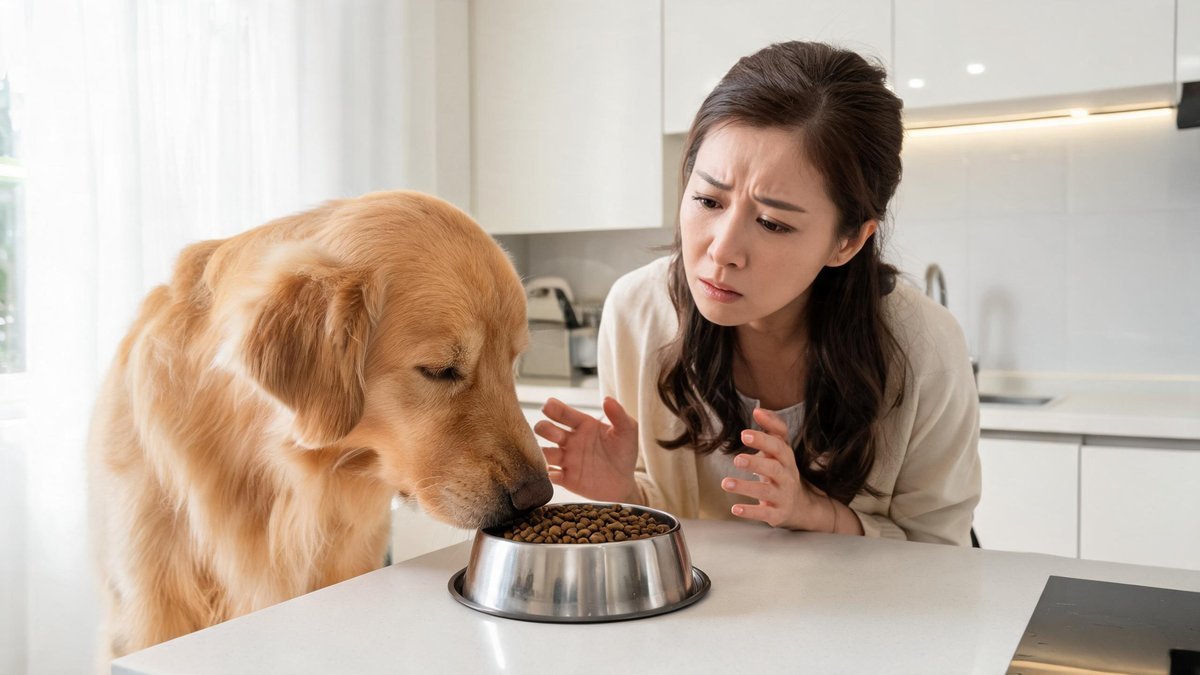
When your dog suddenly turns away from their bowl, it's natural to feel worried. A loss of appetite—medically called anorexia—is one of the most common reasons pet owners consult a veterinarian. The causes range from simple pickiness or stress to serious medical conditions like pancreatitis, kidney disease, or dental pain. Understanding the potential reasons is the first step to helping your dog feel better.
Many dogs skip an occasional meal without any health consequences, especially if they've eaten something rich or had a stressful day. However, if the refusal lasts more than 24 hours or is accompanied by other signs like vomiting, lethargy, or diarrhea, it's time to take action. Pay attention to your dog's overall behavior: are they still drinking water, playing, and acting normally? That context helps you and your vet narrow down the cause.
Is Skipping One Meal a Problem?
Many dogs skip an occasional meal without any health consequences, especially if they have eaten something rich, experienced a stressful event, or are simply less active that day. Hot weather can temporarily suppress appetite in some breeds. If your dog skips one meal but still drinks water, remains alert, and shows normal energy levels, monitoring for 24 hours is reasonable. However, if your dog is a puppy (under 6 months), a senior, a small breed, or has a pre-existing medical condition like diabetes, even one missed meal warrants a call to your veterinarian. Small dogs and puppies have limited energy reserves and can develop hypoglycemia from missing just a single meal.
How Can Illness Cause Loss of Appetite in Dogs?
A wide range of medical conditions can reduce your dog's desire to eat. Digestive issues like gastroenteritis, pancreatitis, and inflammatory bowel disease are frequent culprits. Infections, parasites, and chronic diseases such as kidney failure, liver disease, diabetes, and hypothyroidism can also suppress appetite. Dental problems—including fractured teeth, gum infections, and oral tumors—make chewing painful, causing dogs to avoid food even when hungry.
Certain medications, including some antibiotics and NSAIDs, can cause nausea and appetite loss. Cancer is another serious cause of anorexia, often accompanied by weight loss and changes in energy. If your dog shows additional red flags—persistent vomiting, diarrhea, jaundice (yellow gums or eyes), increased thirst, or abdominal pain—seek veterinary care promptly. Early diagnosis improves outcomes and can prevent complications like dehydration and metabolic imbalances.
According to a 2022 study in the Journal of Veterinary Internal Medicine, over 60% of dogs with anorexia lasting more than 48 hours had an underlying systemic disease that required immediate treatment.
Could Stress or Anxiety Be the Reason?
Yes, stress and anxiety are often overlooked but common causes of temporary appetite loss. Dogs thrive on routine, and disruptions such as moving to a new home, adding a new pet or baby, loud noises from fireworks, or a change in your work schedule can trigger stress-related anorexia. An anxious dog may lose interest in food until they feel safe again.
Separation anxiety is another frequent trigger—some dogs become so distressed when left alone that they refuse to eat until their owner returns. Conflict with other pets in the household can also deter a dog from approaching the food bowl. To reduce stress, feed your dog in a quiet, low-traffic area away from other animals, and maintain a consistent daily schedule for walks, play, and feeding. In some cases, calming aids like pheromone diffusers or anxiety wraps can help.
What Should I Do If My Dog Refuses to Eat?
If your dog skips a meal but seems otherwise healthy—active, alert, and drinking normally—you can try gentle home strategies before calling the vet. Offer a small amount of bland, easily digestible food such as boiled white chicken (no skin or bones) and white rice. Warming the food slightly enhances its aroma and makes it more tempting. Hand-feeding and praise can reassure a reluctant dog and encourage them to eat.
Check the food's freshness and cleanliness of the bowl—some dogs are put off by stale kibble or a dirty dish. Try feeding in a different location, using a puzzle toy to engage their foraging instinct, or adding a spoonful of plain pumpkin purée or low-sodium chicken broth (free of onion and garlic). Avoid force-feeding, as it creates negative associations and increases stress. If there's no improvement after 24 hours, consult your veterinarian.
When to See a Veterinarian for a Dog Not Eating
While occasional skipped meals aren't usually an emergency, you should seek professional help if your dog hasn't eaten for more than 24 hours—especially if they are a puppy, senior, or have a pre-existing medical condition. Additional warning signs include lethargy, vomiting, diarrhea, weight loss, abdominal bloating or pain, and changes in drinking or urination. These could indicate a serious underlying issue that requires prompt treatment.
The American Veterinary Medical Association advises that dogs who go without food for more than 48 hours risk serious metabolic complications. Early veterinary intervention is critical for the best outcome.
Your veterinarian will perform a physical exam and may recommend diagnostic tests such as blood work, urinalysis, fecal exam, X-rays, or ultrasound to pinpoint the cause. Treatment depends on the diagnosis and may include dietary changes, appetite stimulants, anti-nausea medications, fluid therapy, or surgery (e.g., for an intestinal blockage). Prompt care not only resolves the appetite issue but can also catch more serious diseases early.
How to Encourage a Picky Eater to Eat
For dogs that are simply picky rather than medically ill, long-term strategies can help establish healthy eating habits. Feed on a consistent schedule—usually two meals per day—and remove uneaten food after 20 to 30 minutes. Avoid free-feeding, which encourages grazing and pickiness. Limit treats and table scraps, which can reduce appetite for balanced meals. Add variety by rotating protein sources (chicken, beef, fish) gradually to prevent boredom.
Some dogs respond well to food toppers, freeze-dried raw coatings, or a small amount of plain canned pumpkin. A splash of low-sodium broth or a spoonful of plain yogurt can also make kibble more appealing. If pickiness persists despite these efforts, schedule a veterinary checkup to rule out dental problems or other underlying issues. A board-certified veterinary nutritionist can design a diet that meets your dog's nutritional needs while accommodating their preferences.
Regular veterinary checkups form the backbone of preventive pet care. Most adult dogs and cats benefit from an annual wellness exam, while seniors and animals with chronic conditions may need visits every six months. During these appointments, your veterinarian can catch emerging health issues before they become serious, update vaccinations, and perform routine bloodwork that reveals early signs of kidney disease, diabetes, or thyroid disorders. Many pet owners skip these visits when their animal appears healthy, but preventive care is ultimately more affordable and less stressful than emergency treatment.
Knowing when to seek veterinary attention can save your pet's life. Sudden changes in appetite, water intake, or energy levels warrant a call to your vet. Vomiting or diarrhea lasting more than 24 hours, unexplained weight loss, difficulty breathing, and persistent limping are all red flags that should not be ignored. Likewise, if your pet is hiding more than usual, showing aggression when touched, or refusing to use the litter box or go outside, these behavioral shifts often signal underlying discomfort. Trust your instincts -- you know your pet's normal better than anyone.
Proper nutrition goes far beyond simply filling a bowl twice a day. Every life stage brings different dietary requirements. Growing puppies and kittens need controlled calcium and phosphorus ratios for healthy bone development. Adult pets thrive on maintenance formulas that match their activity level. Senior animals often benefit from increased protein to preserve muscle mass and added joint supplements like glucosamine and chondroitin. The quality of ingredients matters significantly -- named animal proteins should appear first on the ingredient list, and artificial preservatives, colors, and by-products are best avoided altogether.
Dental health is one of the most overlooked aspects of pet care, yet dental disease affects over 80 percent of dogs and cats by age three. Without regular care, plaque hardens into tartar, leading to inflamed gums, tooth loss, and bacteria that can enter the bloodstream and damage the heart, liver, and kidneys. Daily brushing with pet-safe toothpaste is the gold standard, but dental chews, water additives, and specially formulated diets can also help reduce buildup. Annual professional cleanings under anesthesia remain essential for removing tartar below the gum line where brushing cannot reach.
Physical activity is as vital for pets as it is for people, influencing not just weight management but also mental health and behavior. Dogs generally need 30 to 60 minutes of purposeful exercise daily, adjusted for breed, age, and health status. Cats benefit from interactive play sessions that mimic hunting behaviors. Inadequate exercise is a leading cause of obesity, which now affects over 50 percent of domestic pets and contributes to arthritis, diabetes, and reduced lifespan. A tired pet is a happy, well-behaved pet.
Mental stimulation is just as important as physical exercise for your pet's overall well-being. Boredom in pets often manifests as destructive behaviors such as chewing furniture, excessive barking, or scratching carpets. Puzzle toys, treat-dispensing balls, and hide-and-seek games engage your pet's natural problem-solving instincts. Rotating toys every few days prevents habituation and keeps novelty alive. For cats, window perches and cat trees provide valuable environmental enrichment. For dogs, nose work games and basic trick training strengthen your bond while tiring them mentally in ways a simple walk cannot match.
Regular grooming is about far more than keeping your pet looking good. Brushing removes loose fur and distributes natural skin oils, preventing mats that can pull painfully on the skin and trap moisture that leads to bacterial infections. Long-haired breeds may need daily brushing to prevent tangles. Nail trims prevent overgrowth that can alter gait and lead to joint pain over time. Ear cleaning helps prevent infections, particularly in floppy-eared breeds. Routine coat care gives you an opportunity to inspect for lumps, bumps, parasites, or skin abnormalities that might otherwise go unnoticed until they become serious health concerns.
Bringing a new pet home is an exciting milestone, but the first few weeks set the foundation for your entire relationship. Create a quiet, safe space where your pet can decompress before exploring the rest of your home. Dogs benefit from a consistent daily schedule for meals, walks, and potty breaks. Cats appreciate vertical space like cat trees or shelves where they can observe from a safe height. Introduce family members gradually and let your pet set the pace for interactions. Patience during this adjustment period pays enormous dividends in the trust and bond you will build over the coming years.