Table of Contents
- Choose the Right Tank Size and Location for Your First Aquarium
- Cycle Your Tank Before Adding a Single Fish
- Pick Beginner-Friendly Fish Species That Thrive Together
- Feed Your Fish Correctly Without Polluting the Water
- Maintain Water Quality With a Simple Weekly Routine
- Spot Common Fish Diseases Early and Act Fast
Choose the Right Tank Size and Location for Your First Aquarium
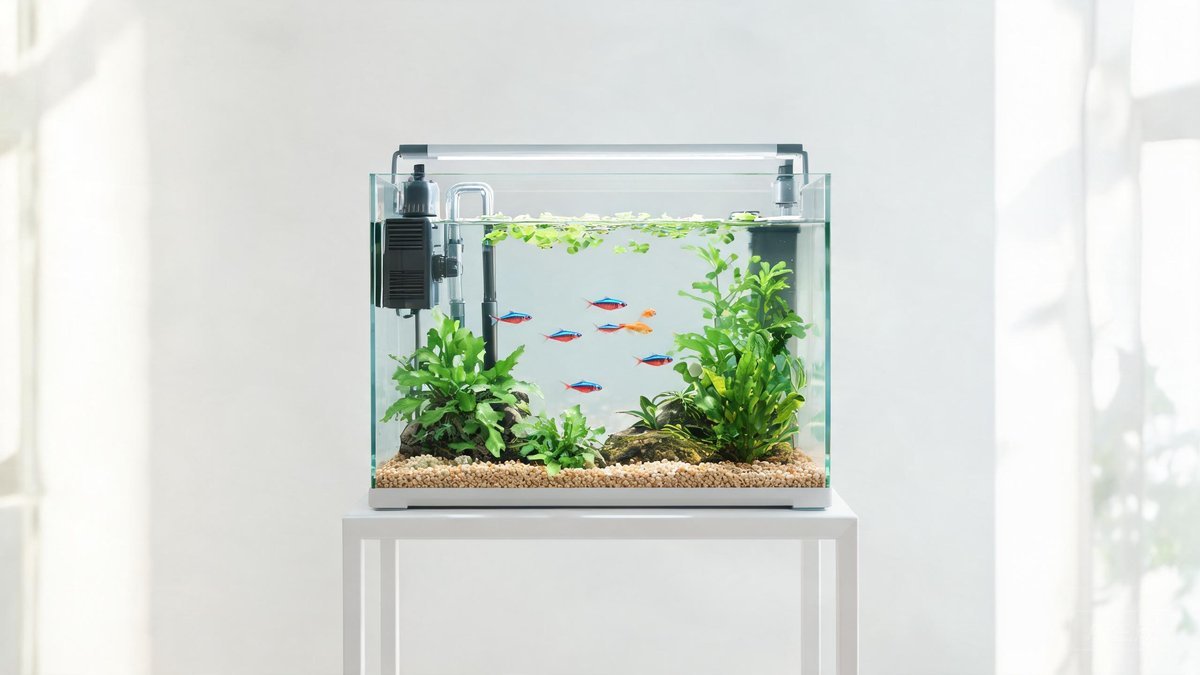
A bigger tank is actually easier to manage than a small one. That sounds counterintuitive when you are standing in the pet store eyeing a cute 5-gallon desktop kit, but water chemistry swings happen fast in small volumes. A 20-gallon tank holds roughly double the water of a 10-gallon but triples the buffer against ammonia spikes, temperature crashes, and pH shifts. The American Pet Products Association reports that 42% of first-time fish keepers who start with tanks under 10 gallons abandon the hobby within six months, mostly due to water quality failures. Start with at least 20 gallons if you have the floor space. Pick a location away from direct sunlight, which triggers runaway algae blooms, and far from heating vents or air conditioners that cause constant temperature swings. A sturdy, purpose-built aquarium stand is not optional. Water weighs 8.3 pounds per gallon, so a filled 20-gallon tank presses down with over 200 pounds including gravel and decor. A dresser or bookshelf will bow and eventually fail. Also place the tank near an electrical outlet and within easy reach of a sink or hose for water changes. Once filled, an aquarium is not getting moved, so get the placement right the first time.
Cycle Your Tank Before Adding a Single Fish
The nitrogen cycle is not optional biology trivia. It is the single reason most beginner tanks fail. When fish produce waste and uneaten food decays, ammonia builds up. In a new tank, there are no beneficial bacteria to convert that ammonia into nitrite and then into nitrate. The result is new tank syndrome, where ammonia spikes to lethal levels within days and your fish die gasping. You need to establish that bacterial colony before adding fish. The fishless cycle takes 4 to 6 weeks. Add a pinch of pure ammonia or fish food daily to a running tank, and test the water every other day. You will see ammonia rise and then fall as nitrite climbs, followed by nitrite dropping and nitrate appearing. When your tank can process 2 ppm of ammonia down to zero within 24 hours and nitrate is the only reading left, the cycle is complete. A liquid test kit using reagents gives accurate numbers. Test strips are cheaper but less reliable. The takeaway is simple: rushing this step kills more fish than any disease, bad food, or equipment failure combined. Wait the full month. Your future fish will not know you waited, but you will know you gave them a functioning ecosystem.
Veterinary Insight: One in three dogs shows signs of separation anxiety. Gradual desensitization training has an 85% success rate when applied consistently.
Pick Beginner-Friendly Fish Species That Thrive Together
Not all freshwater fish belong in the same tank, and some popular species are terrible choices for newcomers. Neon tetras, for example, look stunning in the store but are sensitive to immature tanks and often carry neon tetra disease with no cure. Start with hardy species that can tolerate the small mistakes beginners inevitably make. Zebra danios top the list. They tolerate a wide temperature range, eat anything, and their constant darting activity signals whether water conditions are right. Harlequin rasboras school tightly and stay healthy in groups of six or more. Corydoras catfish patrol the bottom, eating leftover food that would otherwise rot into ammonia. A single bristlenose pleco handles algae without growing to the foot-long size of a common pleco. Avoid mixing species with vastly different needs. Goldfish are cold-water fish that produce enormous waste loads and should never share a tropical tank. Bettas may attack fish with flowing fins like guppies. Research compatibility before you buy. A good beginner stocking for a 20-gallon: 6 zebra danios, 6 harlequin rasboras, 4 corydoras, and 1 bristlenose pleco. Add fish gradually, no more than 3 or 4 at a time over several weeks, so the bacterial colony can adjust to the increased bioload.
Feed Your Fish Correctly Without Polluting the Water
Overfeeding is the most common mistake new fish keepers make, and the consequences show up fast. Uneaten food sinks, decays, and dumps ammonia into the water. A 2018 survey of aquarium retailers found that 67% of fish returns for illness were traced back to overfeeding rather than disease. The rule is simple: feed only what your fish can eat in two minutes, once or twice a day. For small-mouthed species like tetras, crush flakes between your fingers so they sink slowly rather than floating at the surface. Sinking pellets work better for bottom feeders like corydoras. A varied diet prevents nutritional deficiencies. Rotate between a high-quality flake food as the staple, frozen or freeze-dried bloodworms once a week, and blanched vegetables like zucchini slices for algae eaters. Skip one feeding day per week entirely. Fasting gives your fish's digestive systems a rest and forces them to forage, which reduces waste buildup. Store dry food in a cool, dark place and replace it every three months. Vitamins degrade, and stale food loses nutritional value fast. The visual cue that works for most beginners: a healthy fish has a slightly rounded belly, not a concave stomach and not a bulging paunch. Adjust portions based on what you see, not what the label says. Labels sell more food. Your eyes tell the truth.
Maintain Water Quality With a Simple Weekly Routine
You do not need a chemistry degree to keep fish alive, but you do need a habit. A 20 to 25 percent water change every week replaces accumulated nitrate, dissolved organics, and buffering minerals that your filter cannot remove. Use a gravel vacuum to pull debris out of the substrate while you drain. Treat tap water with a dechlorinator before adding it back; chlorine and chloramine burn fish gills within minutes. Match the new water temperature to the tank temperature within a degree or two. A floating thermometer costs three dollars and prevents thermal shock that weakens immune systems. Test water parameters weekly with a liquid kit: ammonia and nitrite should always read zero, nitrate under 40 ppm. If ammonia or nitrite shows up, do an immediate 50 percent water change and figure out what died or what you overfed. Rinse filter media in old tank water, never under the tap. Chlorinated tap water kills the beneficial bacteria living in your filter sponge, which defeats the entire point of cycling the tank. Replace filter cartridges only when they are physically falling apart, not on the manufacturer's schedule. The brown gunk on your sponge is the biological filter you spent weeks growing. Do not throw it away. The weekly routine takes 30 minutes once you get the rhythm. Skip it twice and your tank crashes. Consistency, not intensity, keeps an aquarium stable.
Spot Common Fish Diseases Early and Act Fast
Fish cannot tell you they feel sick, but their bodies and behavior send clear signals if you pay attention. Ich, the most common freshwater disease, shows up as white spots the size of salt grains scattered across fins and body. Affected fish flash against decorations trying to scratch themselves. Ich has a three-stage life cycle, and medication only kills the free-swimming stage, so you must treat for at least 5 days after the last spot disappears. Raise the temperature to 82 degrees Fahrenheit to speed up the parasite's life cycle and combine heat with an ich medication containing malachite green or formalin. Fin rot reveals itself as ragged, disintegrating fin edges, often with a white or red rim. It is usually caused by poor water quality or stress, so the first step is a large water change and testing parameters before reaching for antibiotics. Fungal infections look like cottony patches on the mouth or body and typically set in on wounds or damaged tissue. A broad-spectrum antifungal treatment in a separate hospital tank prevents spreading. The key principle: quarantine every new fish for two weeks in a separate tank before introducing it to your main display. That single practice prevents more disease outbreaks than any medication. Always have a 5-gallon hospital tank and a basic medication kit ready. When you spot a problem at 8 p.m. on a Saturday, the pet store is closed and your main tank's entire population is at risk. Prepare before the emergency, not during it.
Choosing the right products for your pet can feel overwhelming given the sheer volume of options on the market. When evaluating any pet product, safety certifications and independent testing should guide your decision. Look for brands that employ veterinary nutritionists on staff, conduct feeding trials, and publish their quality control standards. For collars, harnesses, and carriers, fit is paramount. Reading verified customer reviews and consulting your veterinarian before major purchases helps you invest wisely in products that genuinely benefit your pet's health and happiness.
Bringing a new pet home is an exciting milestone, but the first few weeks set the foundation for your entire relationship. Create a quiet, safe space where your pet can decompress before exploring the rest of your home. Dogs benefit from a consistent daily schedule for meals, walks, and potty breaks. Cats appreciate vertical space like cat trees or shelves where they can observe from a safe height. Introduce family members gradually and let your pet set the pace for interactions. Patience during this adjustment period pays enormous dividends in the trust and bond you will build over the coming years.