Table of Contents
Step 1: Gather the Right Tools and Create a Calm Environment
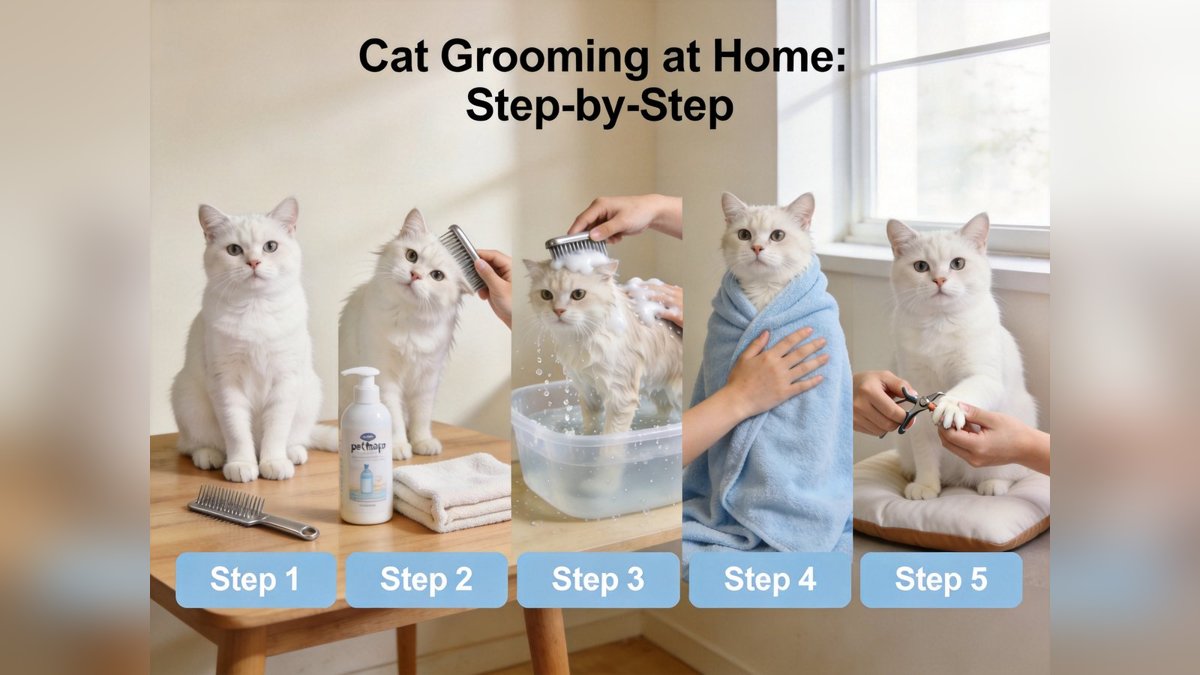
Before you begin grooming your cat at home, preparation is key. Unlike dogs, many cats are sensitive to changes in routine and new textures. Start by assembling all essential tools within reach: a slicker brush for short-haired cats or a stainless steel comb for long-haired breeds, a pair of cat-safe nail clippers, styptic powder in case of accidental cuts, a gentle ear cleaner with cotton balls, and a soft toothbrush or finger brush for dental care. Avoid using human grooming products -- they can irritate a cat's skin.
Set up a quiet, well-lit grooming station. Place a non-slip mat on a table or counter, and consider using a calming pheromone spray like Feliway on the towel. Play soft background music or white noise to mask sudden sounds. Choose a time when your cat is naturally relaxed, such as after a meal or a play session. Never force grooming when your cat is agitated or sleepy -- you want positive associations.
Keep treats handy. Reward calm behavior at each step. Short sessions of 5-10 minutes work better than trying to complete everything at once. Over time, your cat will learn that grooming leads to rewards. Experts recommend starting grooming routines when kittens are young, but even adult cats can adjust with patience and consistency.
According to the American Society for the Prevention of Cruelty to Animals (ASPCA), regular grooming reduces hairballs by up to 40% and helps detect early signs of skin issues, lumps, or parasites before they become serious.
Step 2: Brushing -- The Foundation of Feline Grooming
Brushing removes loose fur, distributes natural oils, and prevents matting. For short-haired cats, use a rubber curry brush or soft bristle brush once or twice a week. Start at the head and stroke in the direction of hair growth. For long-haired breeds like Persians or Maine Coons, daily brushing with a wide-tooth comb and slicker brush is essential to prevent tangles. Focus on the armpit area, belly, and behind the ears where mats form most often.
Work in small sections. If you encounter a mat, never pull or cut it with scissors -- use a dematting tool or carefully cut the mat vertically with electric clippers. Mats can pinch a cat's skin and cause pain. Keep brushing sessions positive: talk softly, offer praise, and give a treat every few minutes. Watch for flinching or tail flicking, which indicate discomfort. Stop if your cat becomes stressed; try again later.
Inspect your cat's coat as you brush. Look for flea dirt (small black specks), dry patches, bald spots, or unusual lumps. Early detection saves vet visits. Shedding season (spring and fall) requires more frequent brushing. Use a lint roller or a damp hand to collect loose fur from furniture after grooming.
Step 3: Bathing -- When and How to Bathe Your Cat
Cats are self‑cleaning, but occasional baths are necessary if they get into something sticky, have a skin condition, or are elderly and cannot groom well. Never bathe a healthy cat without reason -- overwashing strips natural oils. When you do bathe, use lukewarm water (around 100°F) and a cat‑specific shampoo. Never use human shampoo, which is too alkaline. Place a rubber mat in the sink or tub to prevent slipping.
Fill the tub with just 3-4 inches of water. Wet your cat from the neck down, avoiding the face and ears. Use a cup or gentle spray hose. Lather shampoo gently, then rinse thoroughly -- leftover soap can cause skin irritation. Keep water out of ears by placing a cotton ball in each ear before the bath. Speak in a calm, reassuring voice throughout.
After rinsing, wrap your cat in a warm, dry towel and gently pat her dry. Do not rub, as it can tangle fur. Most cats dislike hair dryers, but if you must use one, set it on the lowest heat and noise setting, and keep it moving. Brush the fur while drying to prevent mats. Reward your cat with a high‑value treat and some quiet time. Most cats need bathing only once every 4-6 months unless a vet advises otherwise.
Step 4: Nail Trimming -- Safety First
Trimming your cat's nails prevents painful snags, scratches on furniture, and accidental injuries during play. Use cat‑specific nail clippers (guillotine or scissor style) or a pet nail grinder. Familiarize your cat with the tool first: let her sniff it, then touch it to her paw without clipping. Gently press the paw pad to extend the nail. Look for the pink quick inside the nail -- the blood vessel that grows with the nail. Clip only the white tip, about 1-2 mm away from the quick.
If your cat has dark nails and you cannot see the quick, trim tiny slivers at a time. Stop when you see a gray or dark dot in the center of the nail cross‑section -- that is the beginning of the quick. Have styptic powder or cornstarch ready to stop bleeding if you accidentally cut the quick. Press the powder against the nail tip for 30 seconds. Stay calm; your cat will mirror your energy.
Trim one paw per session if needed. Use a towel wrap (purrito) for nervous cats, leaving one leg exposed. Reward after each trimmed paw. Aim to trim nails every 2-4 weeks. Scratching posts help naturally file nails, but they do not replace trims. For cats that absolutely resist, consider a professional groomer or vet -- but with patience, most cats learn to accept nail trims.
Step 5: Ear and Eye Care -- Regular Gentle Checks
Healthy cat ears should be pink, dry, and odor‑free. Check ears weekly. Dampen a cotton ball with an ear cleaning solution -- never use cotton swabs that can damage the inner ear. Gently wipe the visible part of the ear canal. If you see redness, dark discharge, or a smell, consult your vet. Regular cleaning prevents infections, especially in floppy‑eared breeds.
Eyes should be clear and bright. Use a separate damp cotton ball to wipe away tear stains or discharge from the inner corner of each eye. Use a new cotton ball for each eye to avoid spreading infection. If you notice excessive tearing, cloudiness, or squinting, see a veterinarian. Long‑haired cats may need small trims of the fur around the eyes to prevent irritation.
Finally, brush your cat's teeth. Periodontal disease affects 70% of cats by age three. Use a cat‑specific toothpaste (never human toothpaste) and a soft finger brush. Gently lift the lip and brush in circular motions for 10-15 seconds per side of the mouth. Start slowly -- just letting your cat taste the toothpaste first. Gradually build up to full brushing 2-3 times per week. Consistent ear, eye, and dental care as part of your grooming routine keeps your cat healthy and reduces vet bills.
Choosing the right products for your pet can feel overwhelming given the sheer volume of options on the market. When evaluating any pet product, safety certifications and independent testing should guide your decision. Look for brands that employ veterinary nutritionists on staff, conduct feeding trials, and publish their quality control standards. For collars, harnesses, and carriers, fit is paramount. Reading verified customer reviews and consulting your veterinarian before major purchases helps you invest wisely in products that genuinely benefit your pet's health and happiness.
Regular grooming is about far more than keeping your pet looking good. Brushing removes loose fur and distributes natural skin oils, preventing mats that can pull painfully on the skin and trap moisture that leads to bacterial infections. Long-haired breeds may need daily brushing to prevent tangles. Nail trims prevent overgrowth that can alter gait and lead to joint pain over time. Ear cleaning helps prevent infections, particularly in floppy-eared breeds. Routine coat care gives you an opportunity to inspect for lumps, bumps, parasites, or skin abnormalities that might otherwise go unnoticed until they become serious health concerns.
Bringing a new pet home is an exciting milestone, but the first few weeks set the foundation for your entire relationship. Create a quiet, safe space where your pet can decompress before exploring the rest of your home. Dogs benefit from a consistent daily schedule for meals, walks, and potty breaks. Cats appreciate vertical space like cat trees or shelves where they can observe from a safe height. Introduce family members gradually and let your pet set the pace for interactions. Patience during this adjustment period pays enormous dividends in the trust and bond you will build over the coming years.
Regular veterinary checkups form the backbone of preventive pet care. Most adult dogs and cats benefit from an annual wellness exam, while seniors and animals with chronic conditions may need visits every six months. During these appointments, your veterinarian can catch emerging health issues before they become serious, update vaccinations, and perform routine bloodwork that reveals early signs of kidney disease, diabetes, or thyroid disorders. Many pet owners skip these visits when their animal appears healthy, but preventive care is ultimately more affordable and less stressful than emergency treatment.
Knowing when to seek veterinary attention can save your pet's life. Sudden changes in appetite, water intake, or energy levels warrant a call to your vet. Vomiting or diarrhea lasting more than 24 hours, unexplained weight loss, difficulty breathing, and persistent limping are all red flags that should not be ignored. Likewise, if your pet is hiding more than usual, showing aggression when touched, or refusing to use the litter box or go outside, these behavioral shifts often signal underlying discomfort. Trust your instincts -- you know your pet's normal better than anyone.
Proper nutrition goes far beyond simply filling a bowl twice a day. Every life stage brings different dietary requirements. Growing puppies and kittens need controlled calcium and phosphorus ratios for healthy bone development. Adult pets thrive on maintenance formulas that match their activity level. Senior animals often benefit from increased protein to preserve muscle mass and added joint supplements like glucosamine and chondroitin. The quality of ingredients matters significantly -- named animal proteins should appear first on the ingredient list, and artificial preservatives, colors, and by-products are best avoided altogether.