Table of Contents
Why These Three Essentials Matter
Chinchillas are unique, high-maintenance pets that thrive when their specific needs are met. Among all aspects of chinchilla care, three stand out as non-negotiable: regular dust baths, strict temperature control, and an abundance of safe chew toys. Neglecting any of these can lead to serious health problems, including fur matting, heat stroke, and dental disease. This guide provides expert, actionable advice to help you create a safe and enriching environment for your chinchilla.
Did you know? A chinchilla’s fur is the densest of any land mammal, with up to 80 hairs per follicle. This makes dust baths essential for absorbing oils and moisture, as water baths can cause fungal infections and hypothermia.
Dust Baths: The Key to a Healthy Coat
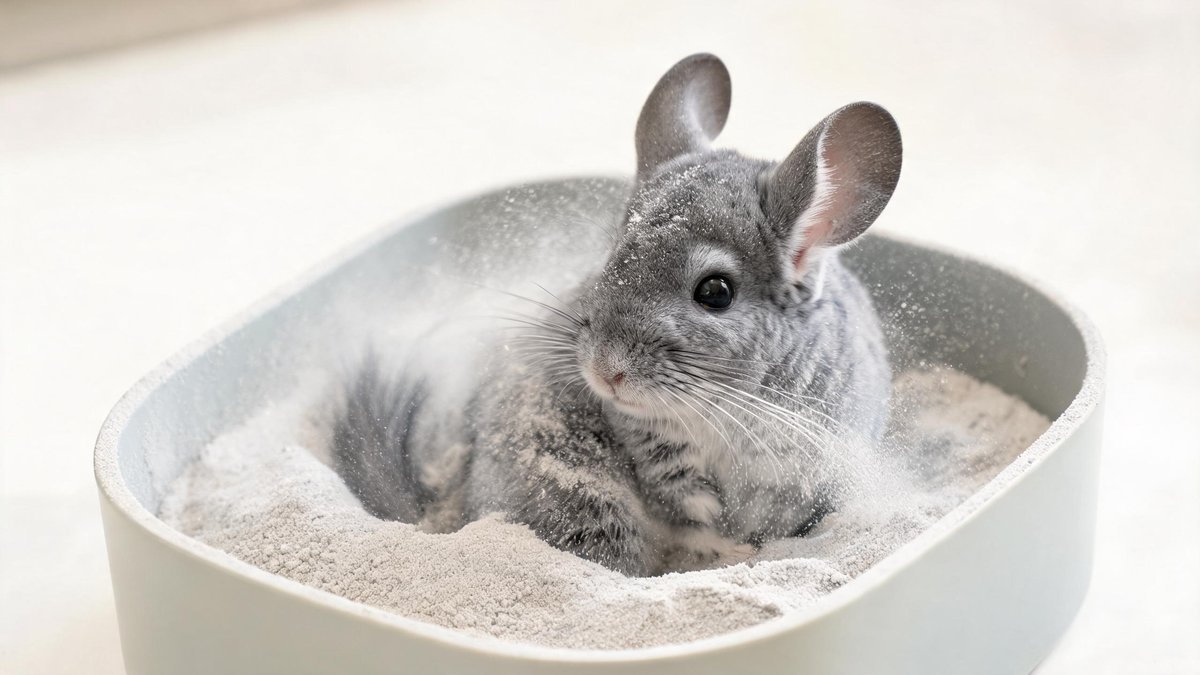
Chinchillas have extremely dense fur that cannot be cleaned with water. Instead, they require regular dust baths using specially formulated volcanic ash dust. The dust penetrates the fur, absorbing excess oils and dirt, leaving the coat soft and clean.
How Often Should You Offer a Dust Bath?
Most chinchillas benefit from a dust bath two to three times per week. Limit each session to 10–15 minutes to prevent over-drying of the skin. If you notice your chinchilla scratching excessively or fur appearing greasy, you may need to adjust frequency. Always use a high-quality, dust-free (low-dust) product designed for chinchillas.
Observe your chinchilla's behavior during bath time for signs of skin issues. A healthy chinchilla rolls enthusiastically, flipping and twisting in the dust with obvious delight. If your chinchilla avoids the bath or only sits passively in the dust, check for skin irritation or respiratory issues. Clean the bath container thoroughly between uses to prevent bacterial growth, and replace the dust entirely every two to three weeks. Damp dust must be discarded immediately and replaced with fresh material, as moisture in the dust can cause fungal skin infections that are difficult to treat.
Choosing the Right Dust and Container
Look for dust made from 100% natural volcanic pumice without added chemicals or perfumes. Avoid bath sands meant for other small pets, as they are too coarse. Use a heavy ceramic bowl or a commercial chinchilla bath house to contain the dust. Place it in a secure area of the cage to prevent tipping.
Temperature Control: Preventing Heat Stroke
Chinchillas are native to the cool Andes Mountains and cannot tolerate temperatures above 80°F (26°C). Heat stroke can be fatal within minutes. Maintaining a cool environment is critical year-round.
Ideal Temperature Range
Keep your chinchilla’s room between 60°F and 75°F (15°C to 24°C). Humidity should stay below 50%. Avoid placing the cage in direct sunlight, near windows, or heat sources like radiators or vents.
Invest in a digital thermometer with a remote probe placed at cage level so you can monitor temperature without disturbing your pet. During summer months, check the temperature multiple times daily, especially during heat waves. If your home lacks central air conditioning, consider moving the cage to the coolest room in your house, typically a basement or north-facing room. Chinchillas cannot pant effectively and have limited ability to cool themselves, so maintaining a stable cool environment is entirely your responsibility as their caretaker.
Signs of Overheating
Watch for lethargy, drooling, red ears, and heavy panting. If you suspect heat stroke, move your chinchilla to a cooler area immediately, offer a ceramic tile or frozen water bottle wrapped in a towel to lean against, and contact an exotic vet. Never submerge your chinchilla in cold water, as rapid cooling can cause shock.
Summer Cooling Tips
- Use an air conditioner or evaporative cooler (swamp cooler) to keep the room cool.
- Provide a granite slab or tile that stays cool naturally.
- Freeze a water bottle and wrap it in a fleece cover for your chinchilla to lie against.
- Offer a shallow bath of cool (not cold) dust for a refreshing roll.
Chew Toys: Essential for Dental Health
Chinchillas have open-rooted teeth that grow continuously throughout their lives. Without proper chewing material, teeth can overgrow, causing pain, abscesses, and inability to eat. Chewing also provides mental stimulation and prevents boredom.
Safe Chew Materials
Provide a variety of natural, untreated wood toys. Safe options include apple, willow, aspen, and kiln-dried pine. Avoid cedar, cherry, and any wood with pesticides or glues. Pumice blocks, loofah slices, and seagrass mats are also excellent.
How Many Toys to Offer
Rotate at least 3–4 different chew toys in the cage at all times. Replace them when they become soiled or chewed down. You can also hang toys from the cage bars to encourage active play.
Expert tip: A chinchilla’s teeth grow about 1–2 mm per week. Providing constant access to chew toys can wear them down naturally, saving you from costly veterinary dental procedures.
Chinchilla Diet: The Foundation of Health
The cornerstone of a chinchilla's diet is high-quality grass hay, primarily timothy hay, which should be available in unlimited quantities. Hay provides the long-stem fiber essential for dental wear and gut motility. Supplement with 1-2 tablespoons daily of a high-fiber chinchilla pellet (not a rabbit or guinea pig pellet — the nutritional profiles differ significantly). Alfalfa hay is too rich in calcium and protein for adult chinchillas and should be reserved for growing kits and pregnant or nursing females only. Treats must be strictly limited: a single raisin, a small pinch of dried rose hips, or a shred of dried apple no more than once or twice per week. Chinchillas have sensitive digestive systems, and sugary treats can trigger fatal gastrointestinal stasis. Avoid all nuts, seeds, fresh fruits, and vegetables — the water and sugar content disrupts their specialized gut flora.
Cage Size and Enrichment Requirements
Chinchillas are highly active, vertical leapers that need multi-level cages. A single chinchilla requires a minimum cage footprint of 3 feet wide by 2 feet deep by 4 feet tall, with solid-surface shelves at varying heights. Wire floors cause foot injuries and bumblefoot — cover all wire surfaces with fleece liners or solid shelves. Provide multiple hiding spots such as wooden houses or fleece hammocks. Chinchillas are crepuscular, most active at dawn and dusk, and will use an exercise wheel if provided the right type: a solid metal running surface at least 15 inches in diameter, mounted securely to the cage wall. Plastic wheels will be chewed and ingested. The cage should be placed in the quietest, coolest room of your home, away from direct sunlight, drafts, and the noise of televisions or speakers.
Putting It All Together
By mastering dust baths, temperature control, chew toys, a fibrous hay-based diet, and a spacious multi-level cage, you address the full spectrum of chinchilla health needs. Establish a consistent routine: dust bath twice a week, monitor room temperature daily, inspect chew toys weekly, and replenish hay constantly. Chinchillas can live 15-20 years with proper care — a time commitment that far exceeds most small pets. Your reward for this dedication is a glossy-coated, active companion with a personality that reveals itself more fully with each passing year.
Mental stimulation is just as important as physical exercise for your pet's overall well-being. Boredom in pets often manifests as destructive behaviors such as chewing furniture, excessive barking, or scratching carpets. Puzzle toys, treat-dispensing balls, and hide-and-seek games engage your pet's natural problem-solving instincts. Rotating toys every few days prevents habituation and keeps novelty alive. For cats, window perches and cat trees provide valuable environmental enrichment. For dogs, nose work games and basic trick training strengthen your bond while tiring them mentally in ways a simple walk cannot match.
Regular grooming is about far more than keeping your pet looking good. Brushing removes loose fur and distributes natural skin oils, preventing mats that can pull painfully on the skin and trap moisture that leads to bacterial infections. Long-haired breeds may need daily brushing to prevent tangles. Nail trims prevent overgrowth that can alter gait and lead to joint pain over time. Ear cleaning helps prevent infections, particularly in floppy-eared breeds. Routine coat care gives you an opportunity to inspect for lumps, bumps, parasites, or skin abnormalities that might otherwise go unnoticed until they become serious health concerns.
Regular veterinary checkups form the backbone of preventive pet care. Most adult dogs and cats benefit from an annual wellness exam, while seniors and animals with chronic conditions may need visits every six months. During these appointments, your veterinarian can catch emerging health issues before they become serious, update vaccinations, and perform routine bloodwork that reveals early signs of kidney disease, diabetes, or thyroid disorders. Many pet owners skip these visits when their animal appears healthy, but preventive care is ultimately more affordable and less stressful than emergency treatment.
Knowing when to seek veterinary attention can save your pet's life. Sudden changes in appetite, water intake, or energy levels warrant a call to your vet. Vomiting or diarrhea lasting more than 24 hours, unexplained weight loss, difficulty breathing, and persistent limping are all red flags that should not be ignored. Likewise, if your pet is hiding more than usual, showing aggression when touched, or refusing to use the litter box or go outside, these behavioral shifts often signal underlying discomfort. Trust your instincts -- you know your pet's normal better than anyone.
Proper nutrition goes far beyond simply filling a bowl twice a day. Every life stage brings different dietary requirements. Growing puppies and kittens need controlled calcium and phosphorus ratios for healthy bone development. Adult pets thrive on maintenance formulas that match their activity level. Senior animals often benefit from increased protein to preserve muscle mass and added joint supplements like glucosamine and chondroitin. The quality of ingredients matters significantly -- named animal proteins should appear first on the ingredient list, and artificial preservatives, colors, and by-products are best avoided altogether.
Dental health is one of the most overlooked aspects of pet care, yet dental disease affects over 80 percent of dogs and cats by age three. Without regular care, plaque hardens into tartar, leading to inflamed gums, tooth loss, and bacteria that can enter the bloodstream and damage the heart, liver, and kidneys. Daily brushing with pet-safe toothpaste is the gold standard, but dental chews, water additives, and specially formulated diets can also help reduce buildup. Annual professional cleanings under anesthesia remain essential for removing tartar below the gum line where brushing cannot reach.